Contents
White Pepper: The Secret Ingredient in Your Favorite Dishes
White pepper, known for its distinctive flavor and aroma, is a popular spice used in various cuisines around the world. Derived from the same peppercorn plant as black pepper, this spice undergoes a different process, resulting in its unique characteristics.
Unlike black pepper, which is made by drying the peppercorns in the sun, white pepper is made by soaking the fully ripe berries in water for a period of time. The outer layer is then removed, revealing the pale inner core. Afterward, the peppers are dried, creating the final product that adds a delightful twist to your favorite dishes.
With its milder taste compared to black pepper, white pepper is often preferred in light-colored dishes where it won’t visually stand out. It adds a subtle spiciness and warmth that enhances the overall flavor without overpowering the dish. From creamy soups and sauces to seafood and poultry recipes, white pepper is an ideal seasoning choice.
Its unique flavor profile makes it a versatile ingredient used in both Asian and Western cuisines. Chinese cuisine, for example, often features white pepper in stir-fries, soups, and marinades. It is also a key component in traditional dishes like Hainanese chicken rice. In Western culinary traditions, white pepper can be found in classic recipes like béchamel sauce and potato gratin.
In addition to its culinary uses, white pepper also offers various health benefits. It has been known to aid digestion, promote appetite, and even possess antimicrobial properties. Some studies have suggested that white pepper may have antioxidant and anti-inflammatory effects as well.
In conclusion, white pepper may be the secret ingredient that elevates the flavors of your favorite dishes. Whether you are a seasoned chef or an enthusiastic home cook, experimenting with this versatile spice can add a new dimension to your culinary creations.
Discover the Magic of White Pepper
What is White Pepper?
White pepper is a versatile and aromatic spice that is widely used in various cuisines around the world. Derived from the same plant as black pepper, white pepper has a milder and slightly more complex flavor profile. It is made by removing the outer layer of the peppercorn, resulting in a lighter color and a unique taste that enhances the dishes it is added to.
Uses of White Pepper
White pepper can be used in a multitude of dishes, such as soups, sauces, marinades, and casseroles. Its subtle flavor complements both light and heavy dishes, making it a fantastic ingredient for any culinary creation. It adds a hint of warmth and depth to creamy dishes like mashed potatoes or alfredo sauce, without overpowering the other flavors.
Health Benefits of White Pepper
In addition to its delicious taste, white pepper also offers several health benefits. It contains antioxidants that help protect the body from harmful free radicals. White pepper also possesses antibacterial properties, assists in digestion, and may aid in weight loss. Including it in your diet can provide a range of advantages that support overall well-being.
Pairing White Pepper with Different Foods
White pepper pairs exceptionally well with a variety of ingredients. Its versatile nature allows it to enhance both vegetarian and non-vegetarian dishes. Try adding a pinch of white pepper to omelettes, roasted vegetables, cream-based soups, or even desserts like gingerbread or spiced cookies for a delightful twist.
Enhance Your Recipes with White Pepper
White pepper is a simple yet effective way to elevate the flavors of your favorite dishes. It adds a subtle complexity that distinguishes your cooking from the rest. So why not experiment and incorporate this secret ingredient into your recipes? Once you experience its magic, you’ll wonder how you ever cooked without it!
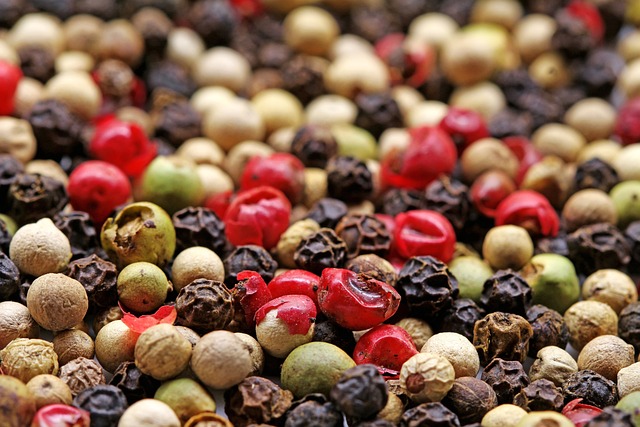
Explore the Variety of Peppercorns
If you’re interested in learning more about different types of peppercorns, check out our detailed guide on the Variety of Peppercorns. Discover the unique characteristics and flavors of black, green, and pink peppercorns, and take your culinary adventures to the next level.
Frequently Asked Questions about White Pepper: The Secret Ingredient in Your Favorite Dishes
What is white pepper?
White pepper is a type of spice that is derived from the dried berries of the pepper plant, also known as Piper nigrum. It is called white pepper because the outer skin of the berries is removed, leaving only the inner seed.
How does white pepper differ from black pepper?
White pepper and black pepper come from the same plant, but the main difference lies in their processing methods. White pepper is made by removing the outer layer of the berries after they are fully ripe, while black pepper is made by drying the unripe berries and preserving the outer layer.
What does white pepper taste like?
White pepper has a slightly milder and less pungent taste compared to black pepper. It has a smooth and subtle flavor with earthy and floral undertones.
How is white pepper used in cooking?
White pepper is commonly used in various cuisines around the world. It is a popular ingredient in soups, sauces, stews, and marinades. It adds flavor and a touch of heat to dishes without leaving visible specks behind.
Can white pepper be substituted with black pepper?
While black pepper can be used as a substitute for white pepper in most recipes, there will be a slight difference in flavor. Black pepper may have a stronger and more pronounced taste compared to white pepper, so it is recommended to adjust the quantity accordingly.
Are there any health benefits associated with white pepper?
White pepper, like black pepper, is known to have antioxidant and anti-inflammatory properties. It may aid digestion, improve appetite, and help with respiratory conditions. However, it is important to consume it in moderation as excessive amounts can cause irritation in some individuals.

The Difference Between White Pepper and Black Pepper
What is White Pepper?
White pepper is a type of spice that comes from pepper seeds that have fully ripened on the vine, then soaked to remove the outer black shell. The remaining inner seed is dried, resulting in a white-colored pepper with a milder flavor compared to black pepper.
What is Black Pepper?
Black pepper is the most common and widely used spice worldwide, derived from the unripe green berries of the pepper plant. The berries are cooked and dried, giving them their distinctive black color and stronger flavor compared to white pepper.
Comparison between White Pepper and Black Pepper
- Color: White pepper is pale or cream-colored, while black pepper is black.
- Flavor: White pepper has a milder and slightly fermented flavor, whereas black pepper has a stronger, pungent, and more complex flavor.
- Usage: White pepper is commonly used in dishes where a mild pepper flavor is desired, such as white sauces, light-colored soups, and mashed potatoes. Black pepper is more versatile and used in various culinary preparations.
- Appearance: Due to the removal of the outer black shell, white pepper appears smoother compared to black pepper, which retains its outer layer.
If you are interested to learn more about the different types of pepper, you can visit the Black Pepper Wikipedia page.

White Pepper: The Secret Ingredient in Your Favorite Dishes
Benefits of White Pepper:
- Enhances the flavor of dishes
- Offers a subtle heat and earthy taste
- Pairs well with various cuisines
- Promotes digestion and fights free radicals
Uses of White Pepper:
- Commonly used in soups, sauces, and marinades
- Adds depth to meat, poultry, and seafood dishes
- Can be used in both savory and sweet recipes
- Blends perfectly with creamy dishes like mashed potatoes and creamy pastas
Storage and Tips:
- Store white pepper in an airtight container away from heat and sunlight
- Grind white pepper just before using for maximum freshness
- Use sparingly as it can have a strong flavor
- Experiment with combining white pepper with other spices to create unique flavors