

Contents
White Peppercorn as a Digestive Aid in Traditional Chinese Medicine
White peppercorn or Chinese pepper is a common spice used in Traditional Chinese Medicine (TCM) for its potential digestive benefits. In TCM, it is believed that the digestive system plays a vital role in maintaining overall health and wellness. Thus, having a healthy digestive system is essential to keep the bodily functions in check.
Studies have shown that white peppercorn contains essential oils that are rich in monoterpenes, such as limonene, pinene, and sabinene. These compounds are known to have anti-inflammatory and antimicrobial properties that can help improve digestion by reducing inflammation in the gut and fighting off harmful bacteria that can cause digestive issues.
Furthermore, white peppercorn is believed to have warming properties that can help stimulate digestion by increasing the flow of qi or energy in the digestive system. In TCM, when qi is flowing smoothly, the digestive system can function properly, and digestion can occur efficiently.
Overall, white peppercorn is a popular traditional remedy for digestive woes in TCM due to its potential anti-inflammatory, antimicrobial, and warming properties that can help improve digestion. When used correctly and in moderation, it can be a safe and effective natural aid for digestive health.
Introduction to White Peppercorn
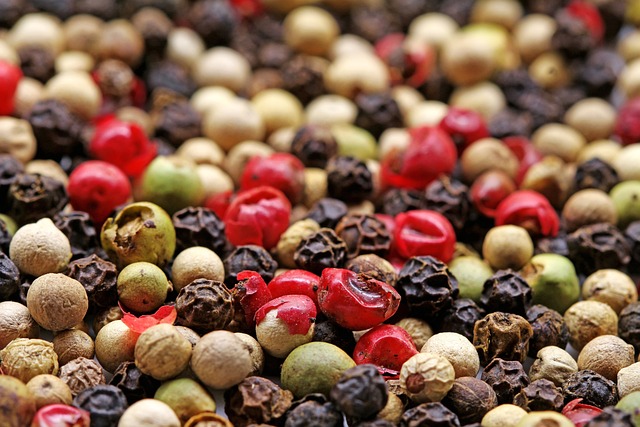
White peppercorn is a popular spice used in Traditional Chinese Medicine for its numerous health benefits, especially as a digestive aid. The scientific name of white peppercorn is Piper nigrum, and it is a member of the Piperaceae family. White Peppercorn is derived from the Piper nigrum plant, usually harvested when the berries are mature and red. The outer layer of the peppercorn is then removed, which exposes the white inner layer. This is then dried and used as a spice, seasoning, or traditional medicine. The active compounds are mainly found in the outer layer, but the inner layer also contains beneficial compounds. Read on to learn more about the health benefits of white peppercorn and why it is a popular digestive aid in Traditional Chinese Medicine.
White Peppercorn as a Digestive Aid
White peppercorn is a well-known digestive aid in Traditional Chinese Medicine due to its ability to stimulate the production of digestive enzymes and promote healthy digestion. It can help to relieve bloating, flatulence, as well as diarrhea and constipation. Studies have shown that white peppercorn contains piperine, a compound that can stimulate the secretion of digestive juices and enzymes. It can also promote the absorption of nutrients and improve the overall digestive process.
Other Benefits of White Peppercorn
Aside from being a digestive aid, white peppercorn has many other health benefits such as:
- Relieving muscle pain and soreness
- Reducing inflammation
- Boosting metabolism and aiding weight loss
- Preventing cancer and reducing the risk of chronic diseases
- Protecting the liver from damage
- Improving brain function and memory
- Enhancing immune function
How to Use White Peppercorn
White peppercorn is a versatile spice that can be used in a variety of ways. You can add it to soups, stews, marinades, and rubs. It can also be ground and added to spice blends or used as a seasoning for meat and vegetables. As a traditional medicine, it can be consumed in the form of tea, capsules, or tinctures. However, it is important to note that excessive consumption of white peppercorn can cause digestive distress, so it is best to use it in moderation.
Conclusion
White peppercorn has been used for centuries in Traditional Chinese Medicine for its digestive and other health benefits. It contains compounds that can stimulate the digestive process, relieve muscle pain, reduce inflammation, and protect against chronic diseases. As with any spice or supplement, it is important to use white peppercorn in moderation and consult a healthcare professional before using it to treat any health condition.
Related Post
For more information on traditional Chinese medicine, check out our blog post on The Basics of Traditional Chinese Medicine.
FAQs: White Peppercorn as Digestive Aid in Traditional Chinese Medicine
What is White Peppercorn?
White peppercorn is a type of pepper that is commonly used in cooking. It is made from the seed of the pepper plant, which is dried and then ground into a fine powder. Unlike black peppercorns, white peppercorns are made from the seed after the outer layer has been removed.
How is White Peppercorn used as a Digestive Aid in Traditional Chinese Medicine?
In Traditional Chinese Medicine, white peppercorn is used to help aid digestion. It is believed that the properties in white peppercorn can help to stimulate the digestive system and help to increase the secretion of digestive enzymes. It is typically used in combination with other herbs and spices to create a formula to help with digestion.
What are the Benefits of White Peppercorn for Digestion?
White peppercorn is believed to have many benefits for digestion. It is thought to help stimulate digestion and increase the secretion of digestive enzymes. It is also believed to help reduce inflammation in the digestive system and help to promote healthy gut bacteria.
Are there any Side Effects to using White Peppercorn as a Digestive Aid?
While white peppercorn is generally considered safe when used in moderation, there are some potential side effects to be aware of. It is possible to experience digestive upset or irritation if using too much white peppercorn at once. Additionally, some people may be allergic to white peppercorn and should avoid using it.
How can I incorporate White Peppercorn into my Diet?
White peppercorn is a common ingredient in many recipes, particularly in Asian cuisine. If you’re interested in using white peppercorn as a digestive aid, consider looking for recipes that include it as an ingredient. It can also be added to soups, stews, and other dishes to help with digestion.

What is White Peppercorn in Chinese?
White peppercorn refers to the dried fruit of the pepper plant. In Chinese, it is known as 白胡椒 (bái hú jiāo). White peppercorn is commonly used in Chinese cuisine as a spice to add flavor and aroma to dishes.
Health Benefits of White Peppercorn
Aside from its culinary uses, white peppercorn also has several health benefits. It has been shown to have anti-inflammatory and antioxidant properties, which can help improve overall health. It may also aid digestion and promote weight loss.
However, it is important to note that consuming too much white peppercorn can have negative effects on the body, such as causing gastrointestinal issues or interacting with certain medications.
How to Use White Peppercorn in Chinese Cooking
White peppercorn is a popular ingredient in many Chinese dishes, particularly soups, stews, and marinades. It can be added to stir-fries or used as a seasoning for meat, poultry, and seafood. It is important to note that white peppercorn has a stronger flavor than black peppercorn, so it should be used sparingly.
If you’re interested in learning more about white peppercorn in Chinese cuisine, check out the White Pepper page on Wikipedia.

White Peppercorn as a Digestive Aid
Traditional Chinese Medicine
- Used to improve digestion and stimulate appetite
- Believed to alleviate nausea and vomiting
- Considered to be a warm spice that helps to invigorate the stomach and spleen
- Can also be used to treat symptoms of diarrhea and constipation