





Contents
Why Natural Dish Sponges Are Better Than Synthetic Ones
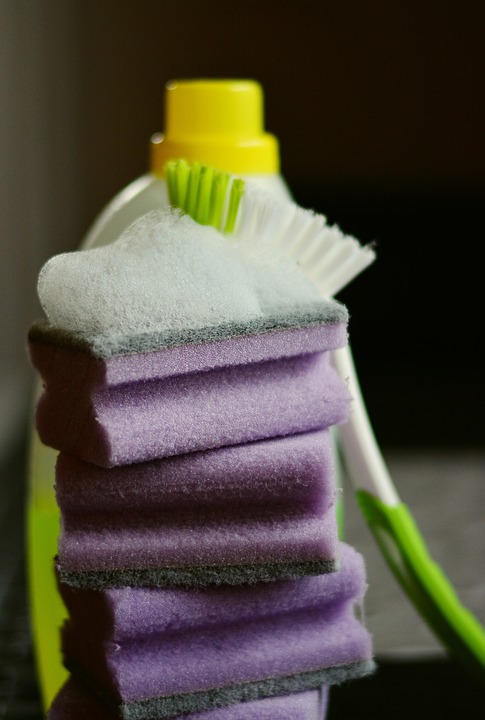
When it comes to cleaning dishes and other surfaces, using a sponge is a common method. However, not all sponges are created equal. Synthetic sponges, which are made from materials like foam and plastic, have become popular in recent years due to their low cost and convenience. However, there are some downsides to using synthetic sponges.
One major issue is that synthetic sponges are not biodegradable, meaning they can sit in landfills for thousands of years. They are also not easy to recycle, and typically end up being thrown away after just a few uses. In contrast, natural dish sponges, which are typically made from materials like loofah or cellulose, are biodegradable and compostable.
Another benefit of natural dish sponges is that they are safer for your health. Synthetic sponges often contain harsh chemicals and may have a strong odor, which can be harmful if ingested or inhaled. Natural sponges, on the other hand, are free of chemical additives and are generally safer for use around young children and pets.
In addition, natural dish sponges are often more effective at cleaning than synthetic ones. This is because they are able to absorb more liquid, making them better at lifting dirt and grime. They are also more durable, meaning they can last longer with regular use.
In conclusion, while synthetic sponges may be cheaper and more convenient, they ultimately come with a number of downsides in terms of environmental impact and health risks. Natural dish sponges offer a safer, more eco-friendly, and often more effective alternative.
What Are Natural Dish Sponges?
Natural dish sponges refer to the sponges made from natural materials such as plant fibers or sea sponges. These sponges are typically biodegradable and are considered environmentally friendly alternatives to synthetic sponges.
Why Are Natural Dish Sponges Better?
Environmental Benefits
Natural dish sponges are biodegradable and decompose naturally, reducing waste and pollution in landfills. In contrast, synthetic sponges are made from petroleum-based materials and take hundreds of years to decompose, contributing to the growing issue of plastic pollution.
Hygienic Properties
Natural dish sponges have greater hygienic properties than synthetic sponges. They are more resistant to bacterial growth due to the unique properties of natural materials and can be easily sanitized with hot water and vinegar.
Cost-Effective
Although natural dish sponges tend to be more expensive initially, they typically last longer than synthetic sponges, making them a cost-effective option in the long run.
Effectiveness
Natural dish sponges are designed to be effective at cleaning dishes and surfaces without leaving scratches or marks. Synthetic sponges, on the other hand, tend to scratch surfaces and can be less effective at removing tough stains and debris.
Where Can You Find Natural Dish Sponges?
Natural dish sponges can be found in many health food stores, online retailers, and even some general merchandise stores. Look for sponges made from renewable, natural materials such as coconut fibers, loofahs, and cellulose.
Conclusion
Natural dish sponges are environmentally friendly, cost-effective, and effective at cleaning dishes and surfaces. They are a better alternative to synthetic sponges, which contribute to plastic pollution and can be less effective at cleaning. Look for sponges made from renewable, natural materials for the best results.
Sources
For more information on natural dish sponges, please visit: https://www.greenmatters.com/p/natural-sponges

The Benefits of Using a Dish Sponge for Cleaning Dishes
Why Use a Dish Sponge?
A dish sponge is a common kitchen tool used for cleaning dishes, but many people overlook the benefits it offers. Dish sponges are designed to absorb water and soap, making it easier to clean dishes. They also have a slightly abrasive surface that can remove stubborn food debris, making cleaning pots and pans a breeze.
Types of Dish Sponges
There are many types of dish sponges available on the market, ranging from natural options like bamboo sponges to synthetic ones made of polyester or polyurethane. Each type of sponge has its own benefits and drawbacks, so it’s important to choose the one that fits your needs and preferences.
Caring for Your Dish Sponge
To give your dish sponge a longer life, it is important to keep it clean and sanitized. Rinse it thoroughly after each use and replace it at least once a week to prevent bacterial growth. You can also disinfect your sponge by soaking it in a mixture of water and vinegar or microwaving it for a few seconds.
If you want to learn more about the benefits of dish sponges or how to choose the right type for your needs, check out the Sponge Wikipedia page for a more detailed overview.

Why should I choose natural dish sponges over synthetic ones?
1. Environmental impact
Natural dish sponges are biodegradable and compostable, which makes them a more eco-friendly choice. On the other hand, synthetic sponges are made of plastic and do not decompose, leading to a negative impact on the environment.
2. Health benefits
Natural dish sponges are chemical-free, which means they are less likely to cause allergic reactions or skin irritations. They are also free from harmful chemicals that can be harmful to your health and the environment.
3. Long-lasting
Natural dish sponges last longer than synthetic ones, which means they save you money in the long run. They are more durable and can be used for a more extended period before needing to be replaced.
4. Better cleaning
Natural dish sponges have natural antibacterial properties, making them more effective at cleaning than synthetic ones. They are also more absorbent and retain water better, which makes it easier to clean dishes quickly and efficiently.

Why Natural Dish Sponges Are Better Than Synthetic Ones
- Natural sponges are biodegradable and therefore more environmentally friendly
- Natural sponges are gentler on surfaces and won’t scratch sensitive materials
- Natural sponges are hypoallergenic and won’t cause allergic reactions
- Natural sponges are more absorbent and can hold more water and soap
- Natural sponges are renewable and can be harvested sustainably
- Synthetic sponges can harbor bacteria and germs, while natural sponges have natural antimicrobial properties






