Contents
Why White Pepper is the Secret Ingredient in Chinese Hot and Sour Soup
Chinese Hot and Sour Soup is a popular dish that is known for its unique blend of flavors and textural contrasts. One of the key ingredients that helps enhance and balance these flavors is white pepper.
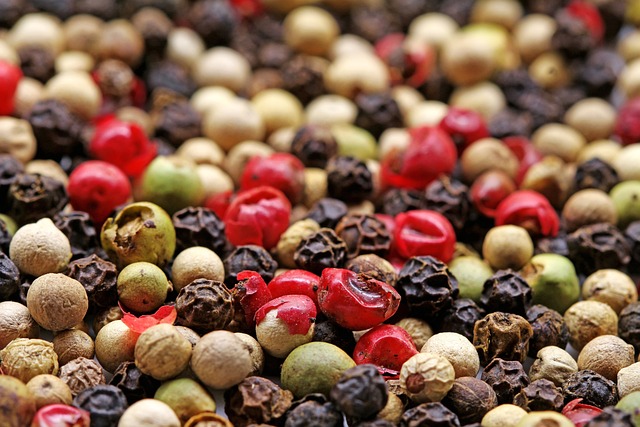
Peppercorns are native to India and were introduced to China during the Tang Dynasty. Peppers are an essential ingredient in Chinese cuisine and come in different varieties. White pepper is made from the ripened berries of the pepper plant that are soaked, rubbed, and peeled, leaving behind the white inner core.
White Pepper has a more subtle and earthy flavor compared to black pepper, which has a spicier and stronger taste. The use of white pepper in hot and sour soup adds a unique flavor that is both tangy and mildly spicy. White pepper also blends well with the other flavors in the soup, including vinegar, soy sauce, and sesame oil.
Chinese Hot and Sour Soup is often made with a combination of meat or tofu, bamboo shoots, mushrooms, and a variety of vegetables. It is served as a starter or as a main course alongside rice or noodles. The addition of white pepper gives the soup an extra burst of flavor that sets it apart from other soup dishes.
So, the next time you have a craving for Chinese Hot and Sour Soup, don’t underestimate the power of the secret ingredient – white pepper!
Introduction:
Chinese hot and sour soup is a staple in any Chinese restaurant. It is a soup known for its tangy and spicy flavor. But have you ever wondered what makes it stand out from the rest of Chinese soups? The secret ingredient is white pepper. In this blog post, we will explore why white pepper is the secret ingredient in Chinese hot and sour soup.
The History of Chinese Hot and Sour Soup:
The history of Chinese hot and sour soup dates back to the Tang dynasty (618-907). However, it was only in the late 1800s that the modern version of hot and sour soup was created. Hot and sour soup is popular in many Chinese provinces, and each region puts its own spin on the recipe. The soup is available as a starter in most Chinese restaurants, and it is also available as a main dish in some restaurants.
The Ingredients of Chinese Hot and Sour Soup:
The key ingredients in Chinese hot and sour soup are:
- Chicken broth or vegetable broth
- Mushrooms
- Bean sprouts
- Shredded bamboo shoots
- Firm tofu
- Soy sauce
- Vinegar
- White pepper
- Cornstarch
- Egg
Why White Pepper is the Secret Ingredient:
Taste:
White pepper has a distinct flavor profile that complements the tangy and spicy flavors in Chinese hot and sour soup. It has a sharp and spicy taste, which adds a slightly pungent kick to the soup. The intensity of the white pepper enhances the overall taste of the soup.
Medicinal Properties:
In traditional Chinese medicine, white pepper is believed to have many medicinal properties. It is known to stimulate digestion, alleviate respiratory problems, and boost the immune system. So, adding white pepper to Chinese hot and sour soup provides many health benefits.
Aroma:
White pepper has a subtle aroma that adds depth to the soup’s flavor profile. The aroma is not overpowering, which allows the other ingredients in the soup to shine. The combination of aroma and taste create a perfect balance in the soup.
Conclusion:
White pepper is the secret ingredient that makes Chinese hot and sour soup stand out from the rest of the Chinese soups. It adds a sharp and spicy taste, medicinal properties, and a subtle aroma that perfectly complements the other ingredients in the soup. So, next time you order Chinese hot and sour soup, remember to savor its unique flavor, and thank white pepper for its presence.
Related Posts:
- Chinese Hot and Sour Soup Recipe
- Hot and Sour Soup Recipe from TasteAtlas
- Traditional Chinese Hot and Sour Soup Recipe
Keywords:
Chinese hot and sour soup, white pepper, traditional Chinese medicine, flavor profile, aroma, medicinal properties
Why White Pepper is the Secret Ingredient in Chinese Hot and Sour Soup
What is white pepper?
White pepper is a commonly used spice in Chinese cuisine. It is made by removing the outer layer of black pepper berries, leaving only the inner white seed.
What is hot and sour soup?
Hot and sour soup is a traditional Chinese soup that is typically made with chicken or vegetable broth, tofu, mushrooms, and various vegetables. It is known for its spicy and tangy flavor.
How does white pepper enhance hot and sour soup?
White pepper adds a unique depth and subtle heat to hot and sour soup. It is milder than black pepper, which allows the other flavors in the soup to shine through. White pepper also has a more earthy and floral flavor, which perfectly balances the soup’s sour ingredients, like vinegar.
Why is white pepper considered a secret ingredient?
While white pepper is a common spice in Chinese cuisine, it is often overlooked in Western cooking. Many people are more familiar with black pepper, and may not realize the difference white pepper can make in a dish. The use of white pepper in hot and sour soup is not typically advertised, leading many to consider it a secret ingredient that is responsible for the soup’s unique and addictive flavor.

White Pepper Cooking: Elevate Your Dishes with a Subtle but Distinctive Flavor
White pepper may not be as well-known as its black counterpart, but it has its own unique charm in the culinary world. Made from the same peppercorn fruit as black pepper, white pepper goes through an additional step of removing the outer layer before drying and grinding the inner seed. This results in a milder, earthier taste with a hint of sweetness and a slightly creamy texture.
Why Use White Pepper?
White pepper is often used in light-colored dishes where black pepper might stand out too much, such as creamy soups, mashed potatoes, and white sauces. Its subtlety allows other flavors in the dish to shine without overpowering them. It’s also a great alternative for people who find black pepper too spicy or harsh.
How to Use White Pepper in Cooking
White pepper can be used in the same way as black pepper, but keep in mind that it has a different flavor profile. It’s best to use it towards the end of cooking or as a finishing touch to allow the flavor to meld with the rest of the dish. A little goes a long way, so start with a small amount and adjust according to taste.
Here are some recipe ideas to try:
- White Pepper Crab: a popular Singaporean dish that features whole crabs stir-fried with white pepper, garlic, and other spices
- White Pepper Gravy: a simple gravy made with a roux, chicken or beef broth, and a generous amount of white pepper
- White Pepper Ice Cream: a unique dessert that balances the sweetness of ice cream with the warmth of white pepper
Where to Buy White Pepper
White pepper can be found in most grocery stores, usually in the spice aisle or with the other types of pepper. It’s also available online from various retailers.
If you want to learn more about white pepper or other types of spices, check out Wikipedia’s page on white pepper.

Why White Pepper is the Secret Ingredient in Chinese Hot and Sour Soup
-
Enhances Flavors
White pepper has a subtle heat and flavor that brings out the flavors of other ingredients without overpowering them.
-
Balances Flavors
White pepper adds a slightly sweet and earthy note to the soup which perfectly balances the sour and salty flavors.
-
Improves Digestion
White pepper is known for its digestive properties, making it an ideal choice for a rich and hearty soup like hot and sour soup.
-
Traditional Ingredient
White pepper has been a traditional ingredient in Chinese hot and sour soup for centuries, adding authenticity and a unique flavor profile to the dish.