Contents
The Importance of Temperature and Timing in Cooking Steak Rare
When it comes to cooking the perfect rare steak, temperature and timing play crucial roles. Achieving that juicy, tender, and flavorful rare steak requires precision and a keen understanding of these two factors.
Temperature: The internal temperature of the steak determines its doneness. Cooking a steak rare means it should be seared quickly at high heat to develop a beautiful crust, while still maintaining a cool and vibrant center. The recommended internal temperature for rare steak is around 125°F (51.6°C). This temperature allows the steak to retain its pink color and keep the juices locked in, resulting in a melt-in-your-mouth experience.
Timing: Timing is crucial when cooking a steak rare. Overcooking can easily turn a rare steak into a medium-rare or even medium, leading to a loss of tenderness and juiciness. It’s important to sear each side of the steak for a short period, usually around 2-3 minutes, depending on the thickness. Monitoring the timing and flipping the steak at the right moment ensures that the desired doneness is achieved.
Mastering the art of cooking steak rare requires practice and attention to detail. Balancing the right temperature and timing will reward your efforts with a perfectly cooked rare steak that is full of flavor and texture.
🔥Premium Angus Beef T-Bone – SHOP NOW🔥
The Importance of Temperature and Timing in Cooking Steak Rare
Introduction to Rare Steak
Rare steak, also known as blue steak, is a cooking method that results in a tender and juicy piece of meat. This level of doneness is achieved by quickly searing the meat at high heat, leaving the center pink or red with a warm and tender texture. Achieving the perfect rare steak involves precision in temperature and timing.
Temperature and Timing
Cooking a steak to rare requires careful monitoring of temperatures and precise timing. When aiming for rare, the internal temperature of the steak should reach around 120°F to 130°F (49°C to 55°C). Anything above this range will move the steak to medium-rare, medium, or well-done, which alters the texture and tenderness of the meat.
Tools for Temperature Control
To ensure accurate temperature control, you’ll need a reliable meat thermometer. Insert the probe into the thickest part of the steak without touching any bone, as the bone can give a false reading. Digital thermometers are highly recommended for their quick and precise readings. This tool allows you to monitor the temperature without constantly cutting into the meat, reducing the juice loss and helping you achieve a flavorful rare steak.
Preparation and Cooking Techniques
Before you start cooking, make sure to bring the steak to room temperature by letting it sit outside the refrigerator for about 30 minutes. This ensures even cooking throughout the meat. Season the steak generously with salt and pepper or your favorite spices to enhance its flavors.
Once the steak is ready, heat a skillet or grill pan over high heat. Add a small amount of oil with a high smoke point, such as canola or vegetable oil, to the pan. When the oil starts to shimmer or smoke lightly, it’s an indication that the pan is hot enough for searing.
Carefully place the steak on the hot surface and let it cook undisturbed for about 2-3 minutes, or until a golden crust forms. Flip the steak using tongs and repeat the process for the other side. Keep a close eye on the cooking time to prevent the steak from becoming more than rare.
Resting and Slicing
After achieving the desired level of rareness, remove the steak from the heat source and let it rest for about 5-10 minutes. Resting allows the juices to redistribute within the meat, resulting in a more tender and juicy steak.
When it comes to slicing, it’s crucial to cut the steak against the grain to maximize tenderness. Look for the direction of the muscle fibers on the steak and slice perpendicular to them. This method ensures that you’re cutting through the muscle fibers, making each bite more enjoyable.
Enjoying a Perfectly Rare Steak
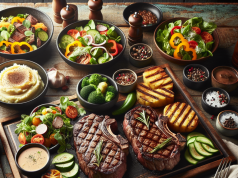
Now that you’ve mastered the art of cooking a rare steak, it’s time to savor the delicious masterpiece. Pair it with your favorite side dishes, such as roasted vegetables, mashed potatoes, or a fresh salad. The tenderness and rich flavors of a perfectly cooked rare steak will undoubtedly elevate your dining experience.
Conclusion
Cooking a steak to rare requires attention to temperature and timing. By closely monitoring the internal temperature, using the right tools, and following proper cooking techniques, you can achieve a tender and juicy rare steak. Remember to let the steak rest before slicing, and enjoy the delightful result of your efforts.
(For more information, check out our related post on the importance of temperature and timing in cooking steak.)
Keywords
Rare steak, cooking techniques, temperature control, timing, meat thermometer, preparation, resting, slicing, enjoying steak, tenderness, flavors.
Author: [Author Name]

FAQs: Cooking Steak Rare
Why is temperature important when cooking steak rare?
Temperature is crucial when cooking steak rare because it determines the level of doneness of the meat. Rare steaks are cooked to an internal temperature of around 130-135°F (54-57°C), resulting in a juicy and tender texture with a warm red center. If the temperature is too high, the steak will overcook and lose its desired tenderness.
What is the recommended timing for cooking steak rare?
The recommended timing for cooking steak rare can vary depending on factors such as steak thickness and desired level of rareness. As a general guideline, you can cook a 1-inch (2.5 cm) thick steak rare by searing it on high heat for about 2 minutes per side, and then letting it rest for 5-7 minutes before slicing. However, it is important to use a meat thermometer to ensure the internal temperature reaches the desired range.
Can I cook steak rare without using a meat thermometer?
While it is highly recommended to use a meat thermometer when cooking steak rare in order to achieve optimal results, it is possible to cook it without one. However, it requires a good understanding of cooking times and visual cues. It is advisable to start with a lower cooking time and then increase it gradually if needed, based on how the steak looks and feels. Keep in mind that this method may not always result in perfectly cooked rare steak.
Are there any tips for cooking steak rare?
Here are a few tips to help you cook steak rare:
- Make sure the steak is at room temperature before cooking. This allows for more even cooking.
- Pat the steak dry with a paper towel before cooking to promote a better sear.
- Season the steak with salt and pepper just before cooking to enhance the flavor.
- Use a cooking oil with a high smoke point, such as canola or avocado oil, for searing the steak.
- Let the steak rest for a few minutes after cooking to allow the juices to redistribute and ensure a juicy result.

Achieving Perfection – Rare Steak Temperature
Why Rare Steak Temp Matters
When it comes to indulging in a delectable steak, the perfect temperature can make or break your dining experience. Among steak enthusiasts, the rare steak temp is highly regarded and sought after. Its succulent, juicy texture and mouthwatering flavors can tantalize even the most discerning palate.
Understanding Rare Steak Temperature
Contrary to popular belief, rare steak temp is not synonymous with undercooked meat. It is, in fact, a precise level of doneness that guarantees a delightful eating experience. Rare steak is cooked just enough to preserve its tenderness and juiciness while ensuring the exteriors are slightly seared.
According to the USDA guidelines, rare steak should have an internal temperature of 125°F to 130°F (51.7°C to 54.4°C). This temperature range ensures that the meat is safe to consume while preserving its delectable pink center. It is important to note that these guidelines apply to steak cuts only, and ground beef should always be cooked to an internal temperature of 160°F (71.1°C) for safety reasons.
Tips for Achieving the Perfect Rare Steak Temp
Here are a few tips to ensure your steak reaches the perfect rare temperature:
- Use a food thermometer to determine the internal temperature accurately;
- Preheat your grill or skillet to high heat;
- Sear each side of the steak for about 2-3 minutes;
- Allow the steak to rest for a few minutes before serving.
Following these steps will help you achieve the ideal rare steak temp, resulting in a culinary masterpiece that will leave your taste buds craving for more.
The Art of Appreciating Rare Steak
Rare steak temp may not appeal to everyone, as personal preferences vary. However, true steak enthusiasts understand the subtle nuances and flavors that this cooking level offers.
To learn more about different steak temperatures and cooking techniques, visit the Wikipedia page on steak. It provides a detailed exploration of various steak cooking methods, including the coveted rare steak temp.

Premium Angus Beef T-Bone – SHOP NOW
Temperature for Cooking Steak Rare
- Preheat grill to high heat (450°F to 500°F).
- Season steak generously with salt and pepper.
- Place steak directly over flame and sear each side for 2-3 minutes.
- Reduce heat to medium (350°F to 400°F) and continue grilling for 3-4 minutes per side.
Timing for Cooking Steak Rare
- For a 1-inch thick steak, aim for a total cooking time of 8-10 minutes for rare.
- Use a meat thermometer to check the internal temperature.
- Remove steak from grill when the thermometer reads 120°F to 125°F for rare.
- Let the steak rest for 5 minutes before serving to allow the juices to redistribute.
Category – STEAKS, BURGER & MEATS