











Contents
Cooking with Fresh Herbs: Elevating Your Dishes to the Next Level
Fresh herbs are the essential ingredients that can transform any meal from ordinary to extraordinary. Offering vibrant flavors and enticing aromas, they add depth and complexity to your dishes, making them more enjoyable and memorable. Whether you’re sprinkling a handful of basil over a creamy pasta or infusing rosemary into a roasted chicken, the right herbs can elevate your culinary creations. In this guide, we’ll explore the various ways to incorporate fresh herbs into your cooking, from selecting the best herbs for your dish to mastering techniques for maximizing their flavor. Get ready to boost your culinary skills and delight your taste buds!

Cooking with Fresh Herbs: Elevating Your Dishes to the Next Level
Why Use Fresh Herbs?
Fresh herbs can enhance the flavor, aroma, and presentation of your dishes. They provide a burst of flavor that dried herbs often lack, making your meals more vibrant and appealing.
Common Fresh Herbs and Their Uses
Basil
Basil is perfect for Italian dishes, especially pasta and pizzas. It’s also commonly used in salads and pesto.
Cilantro
Cilantro adds a refreshing flavor to dishes such as tacos, guacamole, and salsas. It’s popular in Mexican and Asian cuisines.
Rosemary
Rosemary pairs well with roasted meats and vegetables. Its woodsy flavor enhances the taste of potatoes and bread.
Thyme
Thyme is versatile, making it a great addition to soups, stews, and sauces. It complements meats and vegetables alike.
Parsley
Parsley not only garnishes dishes but also adds bitterness that balances rich flavors. It’s great in salads, soups, and as a topping.
Tips for Cooking with Fresh Herbs
1. Use at the Right Time
Add hardy herbs like rosemary and thyme early in the cooking process, while delicate herbs like basil and cilantro should be added towards the end to maintain their flavor.
2. Experiment with Combinations
Don’t hesitate to mix different herbs. For example, combining rosemary with thyme can add depth to roasted dishes. Here is a great guide to herb combinations.
3. Store Properly
Store fresh herbs upright in a glass of water or wrapped in a damp paper towel, and keep them in the refrigerator to maximize freshness.
4. Grow Your Own
Consider growing your own herbs at home. It’s easy and ensures you have an abundant supply of fresh ingredients. Check out Urban Farm for home gardening tips.
Cooking Techniques to Highlight Fresh Herbs
Chopping and Muddling
Chop herbs finely or muddle them into sauces and dressings to release their oils and flavor completely.
Infusions
Use herbs to infuse oils, vinegars, or broths, which creates unique flavor bases for your dishes. This technique allows you to extract the essence of the herbs without using large quantities.
Garnishing
Use fresh herbs as a garnish to add a pop of color and flavor. Such presentations can elevate a simple dish into something visually stunning.
Conclusion
Incorporating fresh herbs into your meals can significantly enhance their flavor and appeal. By utilizing the tips and techniques outlined above, you can take your cooking to the next level and impress your friends and family.

FAQs About Cooking with Fresh Herbs
1. What are the best fresh herbs to use in cooking?
Some popular fresh herbs include basil, cilantro, parsley, thyme, rosemary, dill, and mint. Each herb brings its own unique flavor to dishes, allowing for a variety of culinary creations.
2. How should I store fresh herbs?
Fresh herbs should be stored in the refrigerator. You can wrap them in a damp paper towel and place them in a plastic bag, or place them in a jar with water, like a bouquet, and cover loosely with a plastic bag.
3. When is the best time to add fresh herbs to my dish?
Generally, hardy herbs like rosemary and thyme can be added earlier in the cooking process, while delicate herbs like basil and cilantro should be added towards the end to preserve their flavor and aroma.
4. Can I use dried herbs instead of fresh herbs?
Yes, you can use dried herbs, but keep in mind that their flavors are more concentrated. Use about one-third of the amount of dried herbs compared to fresh herbs.
5. How can I enhance the flavor of my dishes with fresh herbs?
Chop fresh herbs finely to release their essential oils and flavors. Consider using them in dressings, marinades, or as a garnish to elevate the presentation and taste of your dishes.
6. Are there any health benefits to cooking with fresh herbs?
Yes! Fresh herbs are not only flavorful, but many also have health benefits. For example, basil is rich in antioxidants and anti-inflammatory properties, while parsley is high in vitamins A, C, and K.
7. Can I grow my own fresh herbs at home?
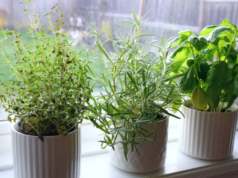
Absolutely! Many herbs can be easily grown at home, either in a garden or in pots on a windowsill. Popular choices for home growing include basil, mint, and chives.
This HTML code creates a structured FAQs section with headings and well-formatted content.

Essential Kitchen Herbs for Chefs
1. Basil: The Sweet Herb
Basil is a staple herb widely used in Mediterranean cuisine. Its aromatic leaves are perfect for enhancing dishes like pasta, pizza, and salads. Chefs appreciate basil for its versatility and ability to elevate flavor profiles.
2. Thyme: The Timeless Flavor
Thyme is another essential herb that pairs beautifully with a variety of meats and vegetables. Its earthy and slightly minty aroma makes it a favorite among chefs seeking depth in their dishes. Learn more about thyme here.
3. Cilantro: The Fresh Garnish
Cilantro, also known as coriander, adds a bright, fresh flavor to a wide range of dishes, from salsas to curries. This herb is beloved in many cultures and is a must-have in any chef’s kitchen.
4. Rosemary: The Fragrant Needle
Rosemary’s robust flavor and aroma make it a popular choice for roasting meats and vegetables. Its unique scent adds an unmistakable touch to any dish, making it a favorite for chefs around the world.
5. Parsley: The Versatile Green
Often used as a garnish, parsley is more than just a pretty addition to a plate. Its bright flavor enhances a variety of dishes, and it is also packed with nutrients, making it an essential kitchen herb.
This HTML code presents a short article on essential kitchen herbs for chefs, structured with appropriate headings and outbound links for enhanced semantic SEO.
Cooking with Fresh Herbs: Elevating Your Dishes to the Next Level
- Fresh herbs add vibrant flavors and aromas to dishes.
- Popular herbs include basil, parsley, cilantro, rosemary, and thyme.
- Use fresh herbs in marinades, salads, sauces, and as garnishes.
- Experiment with combining herbs for unique flavor profiles.
- Harvest herbs just before use for the best taste and aroma.
- Consider growing your own herbs for easy access and freshness.
- Explore the health benefits of fresh herbs, including antioxidants.
Category – Pepper, Salt and Herbs