Contents
Practical Tips for Cooks Who Want to Nail Medium-Rare Every Time
Cooking meat to the perfect medium-rare doneness can elevate your culinary skills and impress your guests. Achieving this ideal cook requires a blend of technique, timing, and temperature control. Whether you’re grilling a steak, searing a pork chop, or preparing a lamb rack, knowing a few essential tips can ensure you get it right every time. In this guide, we’ll explore practical strategies and tools that will help you master the art of cooking medium-rare meat, ensuring a juicy and flavorful result with every bite.

Understanding Medium-Rare Cooking
Achieving the perfect medium-rare steak can be an art. It requires timing, temperature, and technique. In this guide, we’ll break down the essentials to help you master this skill.
What is Medium-Rare?
Medium-rare is a cooking level where the internal temperature of the meat reaches between 130°F to 135°F (54°C to 57°C). The steak should be warm and slightly red in the center. This level of doneness retains juices and enhances flavor.
Essential Tools for Cooking Medium-Rare
Instant Read Meat Thermometer
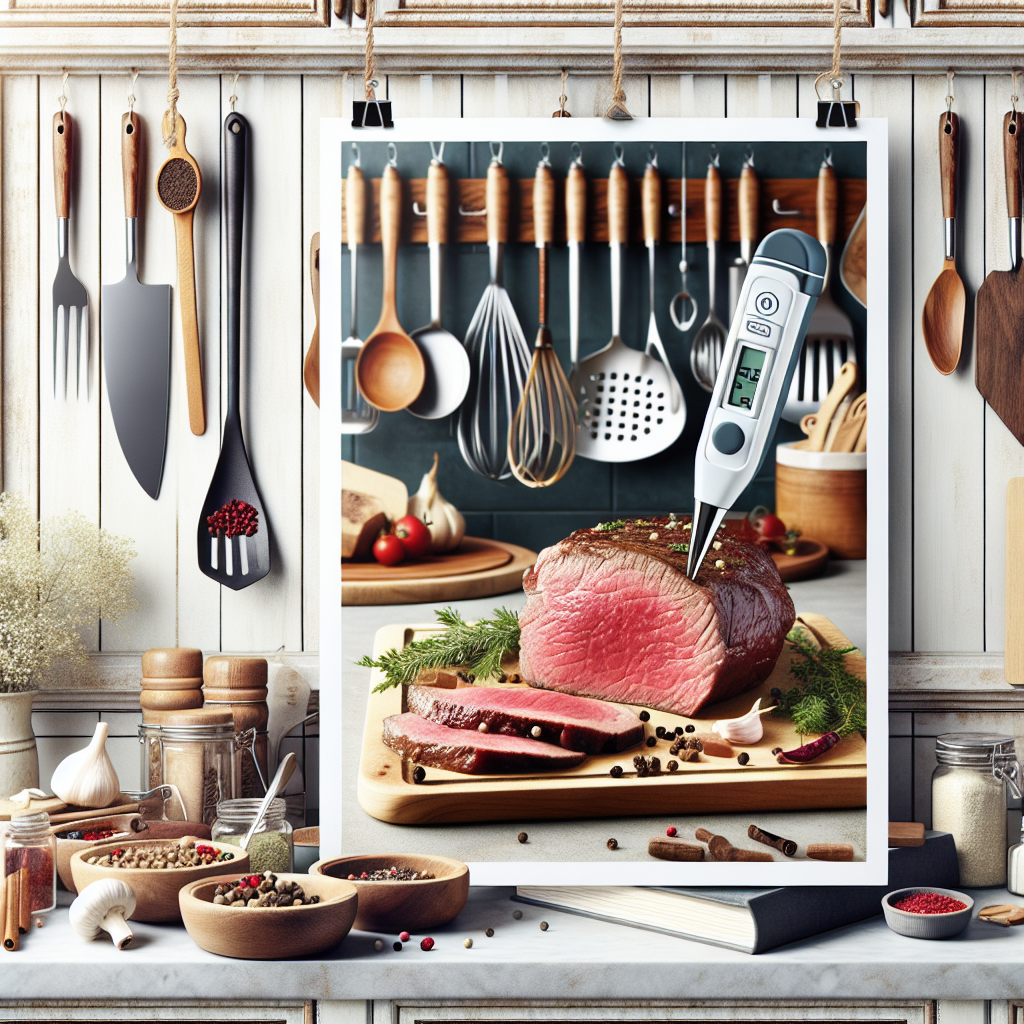
One of the best investments for nailing doneness is an instant-read meat thermometer. It helps you accurately measure the internal temperature without guessing.
Cast Iron Skillet
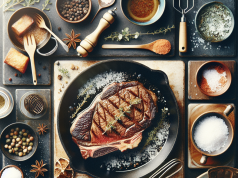
A cast iron skillet retains heat well and gives a perfect sear, which is essential for achieving the ideal crust on your steak.
Cooking Techniques for Medium-Rare
Reverse Searing Method
This technique involves cooking the steak at a low temperature in the oven before searing it on a hot skillet. This method allows for more even cooking throughout the meat.
Grilling
Grilling is another popular method. Make sure to preheat the grill properly, and remember to let the steak rest after cooking. This allows the juices to redistribute, enhancing flavor.
Pan-Seering
For those who prefer stovetop cooking, pan-searing at medium-high heat gives beautiful caramelization and keeps meat tender.
Key Cooking Steps
Preparing the Steak
Allow the steak to come to room temperature before cooking; this promotes even cooking. Season generously with salt and freshly ground black pepper.
Cooking the Steak
For best results, cook to about 125°F (51.6°C) for medium-rare, then remove from heat and let it rest. The temperature will continue to rise as it rests.
Common Mistakes to Avoid
Crowding the Pan
Avoid overcrowding your cooking surface. It can lower the temperature of the pan and lead to uneven cooking.
Not Using a Thermometer
Ignoring temperature indicators can lead to overcooked meat. Always check the internal temperature for the most reliable results.
Skipping the Resting Time
Letting steaks rest for about 5-10 minutes after cooking is crucial for ensuring a juicy steak. Cutting into it too soon will let the juices escape.
Additional Resources
For more in-depth cooking techniques, visit Food Network for helpful guides and recipes.
Understanding Medium-Rare Steak
Medium-rare steak is prized for its juicy texture and rich flavor, achieved through precise cooking methods. This level of doneness offers a warm, red center that appeals to many steak enthusiasts.
Cooking Techniques
To achieve the perfect medium-rare steak, several cooking techniques can be utilized:
- Grilling: Cooking over direct heat gives a nice sear while keeping the inside tender.
- Pan-searing: This method creates a flavorful crust while maintaining moisture.
Temperature Guidelines
The ideal internal temperature for a medium-rare steak is between 130°F and 135°F (54°C to 57°C). Utilize a meat thermometer for accuracy.
Pairing Suggestions
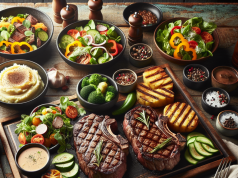
Pair your medium-rare steak with sides such as:
- Garlic mashed potatoes
- Grilled vegetables
- Red wine, particularly a Cabernet Sauvignon
For more detailed culinary techniques, you can visit the Wikipedia page on steak.

FAQs: Practical Tips for Cooks Who Want to Nail Medium-Rare Every Time
What is the ideal internal temperature for medium-rare meat?
The ideal internal temperature for medium-rare meat is 130°F to 135°F (54°C to 57°C). Use a meat thermometer to ensure accuracy.
How do I know when my meat is medium-rare without a thermometer?
You can use the “touch test.” Press the meat with your finger; medium-rare will feel like the fleshy part of your hand beneath your thumb when you touch your thumb and middle finger together.
What cuts of meat are best for medium-rare cooking?
Some good cuts for medium-rare cooking include ribeye, filet mignon, sirloin, and strip steak. These cuts are tender and flavorful when cooked to medium-rare.
Should I let my meat rest after cooking it?
Yes! Letting your meat rest for 5 to 10 minutes allows the juices to redistribute, keeping it moist and flavorful.
What cooking methods are best for achieving medium-rare?
Grilling, pan-searing, and broiling are excellent methods for achieving medium-rare results. Use high heat for a good sear and prevent overcooking.
Can I use a sous-vide method for medium-rare?
Absolutely! Sous-vide is a great technique for cooking meat to a precise temperature. Set the water bath to 130°F to 135°F and cook for 1 to 4 hours.
What should I do if I accidentally overcook my meat?
If you overcook your meat, you can try slicing it thinly against the grain and serving it with a sauce or gravy to help add moisture back.
This HTML code structures an FAQs section that provides practical tips for cooks aiming to achieve medium-rare meat consistently. Each question is formatted with headings and descriptive answers.

Practical Tips for Cooks Who Want to Nail Medium-Rare Every Time
- Use a meat thermometer for precise temperature measurement.
- Target a final internal temperature of 130-135°F (54-57°C).
- Let the meat rest for about 5-10 minutes after cooking.
- Choose quality cuts of meat for better flavor and texture.
- Preheat your grill or pan to ensure even cooking.
- Use the “poke test” for a quick feel of doneness.
- Season generously before cooking for enhanced flavor.
- Don’t overcrowd the cooking surface to maintain heat consistency.
- Learn the appearance and textures that indicate medium-rare.
- Practice! Experience will help you recognize the right doneness.