

Contents
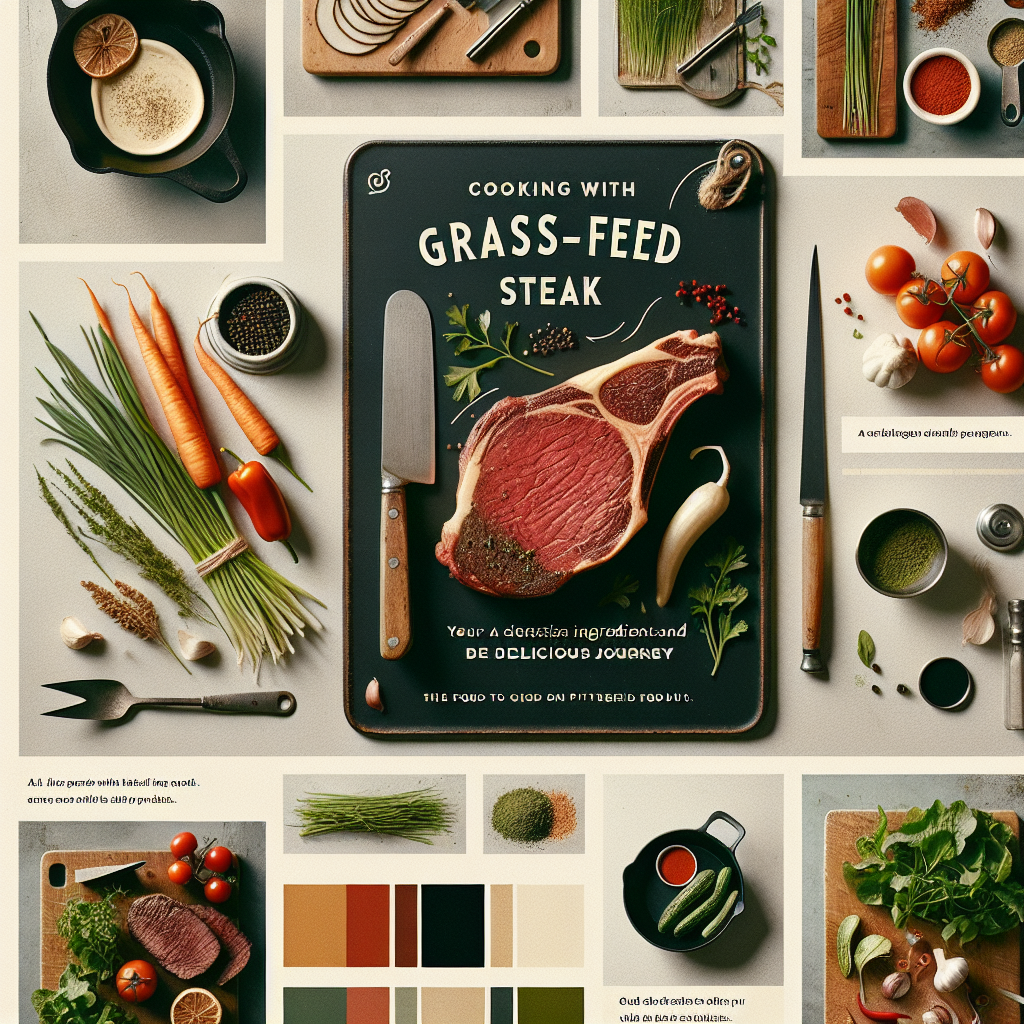
Cooking with Grass-Fed Steak: A Delicious Journey
Welcome to a culinary adventure that celebrates the rich flavors and health benefits of grass-fed steak. This natural and sustainable choice not only enhances the taste of your meals but also offers a host of nutritional advantages. In this guide, we will explore the unique characteristics of grass-fed beef, share tips for cooking it perfectly, and provide delicious recipes that will elevate your dining experience. Join us as we embark on this delicious journey into the world of grass-fed steak!

What is Grass-Fed Steak?
Grass-fed steak comes from cattle that have been raised on a diet primarily consisting of grass and forage. This method of raising livestock is not only better for the environment but also results in a leaner meat with higher levels of omega-3 fatty acids and antioxidants.
Benefits of Grass-Fed Beef
Nutritional Advantages
Grass-fed beef is celebrated for its high nutritional content. Compared to conventional beef, it contains:
- Higher omega-3 fatty acids
- More antioxidants such as vitamins A and E
- Lower saturated fat
Ethical and Environmental Considerations
Choosing grass-fed beef also supports sustainable farming practices. Grass-fed cattle are often raised in more humane conditions, promoting the welfare of the animals.
Choosing the Right Grass-Fed Steak
When selecting grass-fed beef, consider the following:
- Check for Certifications: Look for labels that indicate the beef is 100% grass-fed.
- Know the Cut: Popular options include ribeye, sirloin, and filet mignon.
- Source Locally: Find local farms or farmers’ markets that offer grass-fed beef.
Cooking Techniques for Grass-Fed Steak
Seasoning and Marinating
Due to its lean nature, grass-fed steak benefits from a simple seasoning of salt and pepper. For added flavor, consider marinating with herbs, garlic, and citrus juices.
Grilling the Perfect Steak
Grilling is one of the most popular methods for cooking grass-fed steak:
- Preheat the grill to high heat.
- Season the steak generously.
- Grill each side for 3-5 minutes, depending on thickness.
- Let the steak rest before slicing to retain juices.
For more grilling tips, visit Grilling Companion.
Oven-Baking for a Juicy Finish
Oven-baking, when combined with searing, is another excellent method:
- Preheat your oven to 375°F (190°C).
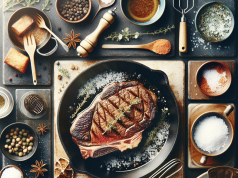
- In a skillet, sear the steak on both sides until browned.
- Transfer the skillet to the oven and bake for about 10-15 minutes.
Pairing Sides with Your Steak
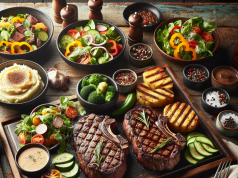
Enhance your grass-fed steak experience by pairing it with:
- Roasted vegetables (like Brussels sprouts and carrots)
- Garlic mashed potatoes or sweet potatoes
- A fresh garden salad with vinaigrette
Conclusion
Cooking grass-fed steak can be a delightful culinary adventure. By understanding its benefits, selecting the right cuts, and mastering cooking techniques, you’ll elevate your mealtime experience.
Health Benefits of Grass-Fed Steak
Higher Nutritional Value
Grass-fed steak is known for its superior nutritional profile compared to grain-fed options. It typically contains higher levels of omega-3 fatty acids, which are essential for heart health and reducing inflammation in the body.
Lower Fat Content
One of the notable benefits of grass-fed steak is its lower overall fat content. This makes it a healthier option for those looking to manage their weight while still enjoying high-quality protein.
Improved Flavor
Many steak enthusiasts claim that grass-fed beef has a richer, more robust flavor than its grain-fed counterparts. The diet of grass and forage contributes to a unique taste that can enhance various dishes.
Environmental Impact
Choosing grass-fed steak can also be better for the environment. Grass-fed cattle require less industrial feed, and their grazing helps promote soil health and biodiversity. This sustainable farming approach can reduce carbon footprints and support ecological balance.
For more detailed information, visit the Wikipedia page on Grass-Fed Beef.

FAQs About Cooking with Grass-Fed Steak: A Delicious Journey
1. What is grass-fed steak?
Grass-fed steak comes from cattle that are fed a diet primarily consisting of grass and forage, as opposed to grain. This diet influences the flavor, texture, and nutritional profile of the meat.
2. How does grass-fed steak differ from grain-fed steak?
Grass-fed steak typically has a richer flavor, is leaner, and contains higher levels of omega-3 fatty acids and other nutrients compared to grain-fed steak. The texture can also be different, often being more coarse and less marbled.
3. What is the best way to cook grass-fed steak?
Grass-fed steak is best cooked using lower heat to prevent it from drying out. Cooking methods like grilling, pan-searing, or broiling at moderate temperatures are ideal. Aim for medium-rare to preserve its tenderness and flavor.
4. Do I need to adjust cooking times for grass-fed steak?
Yes, grass-fed steak typically cooks faster than grain-fed due to its lower fat content. Use a meat thermometer to ensure accuracy; the internal temperature for medium-rare is around 130-135°F (54-57°C).
5. How should I season grass-fed steak?
Simplicity works best! A good seasoning with salt and pepper allows the natural flavors to shine. You can also use herbs, garlic, and citrus to enhance the taste without overpowering it.
6. Can I marinate grass-fed steak?
Yes, marinating can add flavor and tenderness, but avoid overly acidic marinades that can break down the meat too much. A marinate of olive oil, herbs, and spices works well.
7. What are some popular cuts of grass-fed steak?
Popular cuts include ribeye, sirloin, flank, and filet mignon. Each cut has its unique flavor and texture, so try experimenting with different types!
8. Where can I buy grass-fed steak?
Grass-fed steak can be purchased from local farms, farmers’ markets, and specialized grocery stores. Online retailers also offer various options for delivery.
9. Is grass-fed steak more expensive?
Generally, yes. Grass-fed steak may be pricier due to sustainable farming practices, the cost of raising cattle on grass, and often smaller production scales.
10. What are the health benefits of grass-fed steak?
Grass-fed steak is believed to have a higher concentration of beneficial nutrients, such as omega-3 fatty acids and antioxidants, and is lower in saturated fats compared to grain-fed options.

Benefits of Grass-Fed Steak
- Higher in Omega-3 fatty acids.
- Rich in vitamins and antioxidants.
- Better flavor and texture compared to grain-fed steak.
Cooking Techniques
- Use medium-high heat for searing.
- Rest the steak before slicing for optimal juiciness.
- Pair with complementary seasonings like garlic and rosemary.
Serving Suggestions
- Serve with fresh vegetables or salads.
- Accompany with homemade sauces or marinades.
- Great in tacos or as part of a hearty stir-fry.
Storage Tips
- Keep refrigerated and consume within a few days.
- Freeze for longer storage; wrap tightly to avoid freezer burn.
- Thaw in the refrigerator for best results.