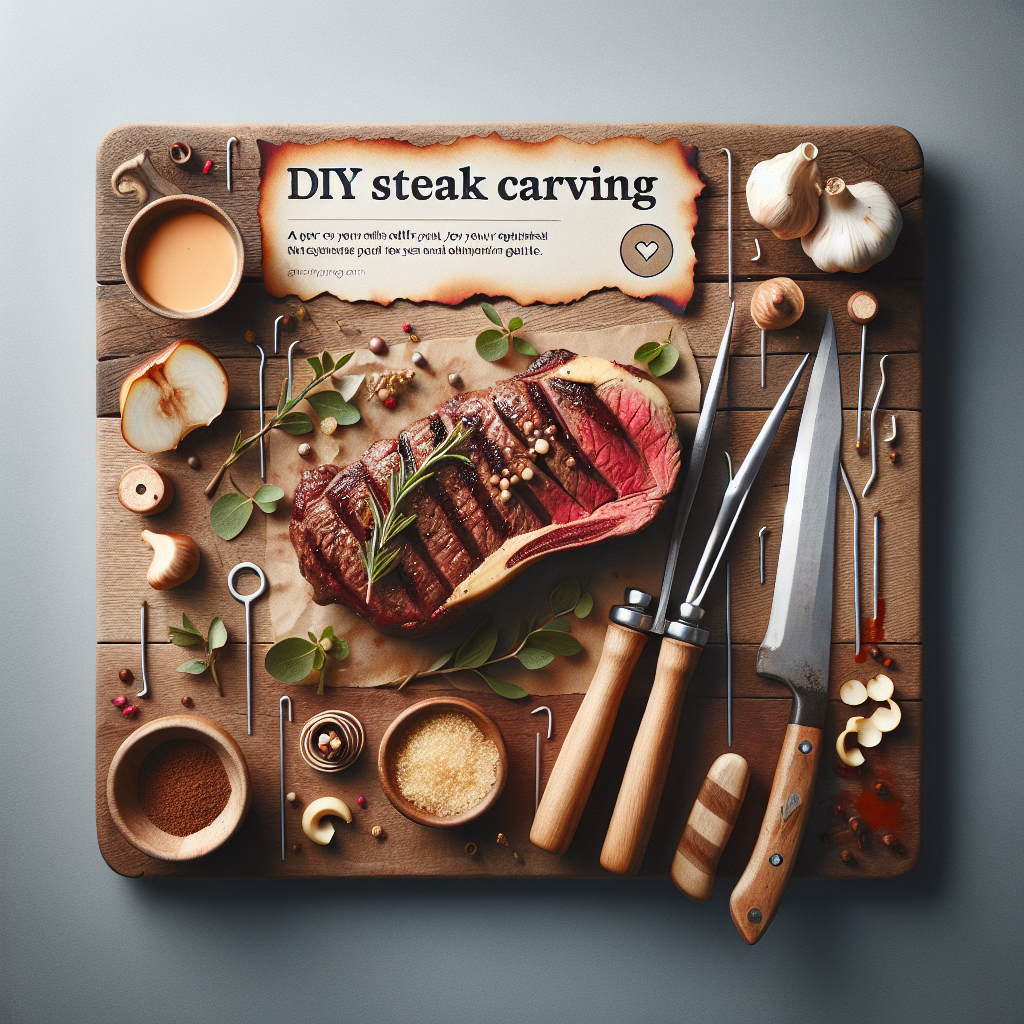
Contents
DIY Steak Carving: The Ultimate Guide
Welcome to the ultimate guide on DIY steak carving! Whether you’re a seasoned chef or a novice in the kitchen, mastering the art of carving steak can elevate your dining experience. With the right techniques and tools, you can impress your guests and enjoy a perfectly sliced steak every time. In this comprehensive guide, we will cover the essentials of steak carving, including the best practices, tools you’ll need, and tips for achieving that perfect slice. Let’s dive in and make your next steak dinner unforgettable!

Understanding Steak Types
Tender Cuts
When selecting a steak for carving, understanding the different types is crucial. Tender cuts such as ribeye or filet mignon are ideal for their optimal flavor and texture.
Choice of Cuts for Carving
For DIY steak carving, popular choices include:
- Ribeye
- Sirloin
- T-bone
- Porterhouse
Essential Tools for Carving Steak
Carving Knife
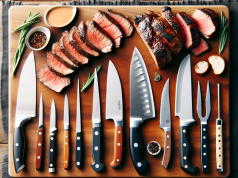
A sharp carving knife is a must. A long, narrow blade allows for smooth slicing and greater control.
Cutting Board
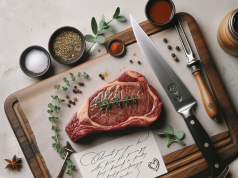
Use a sturdy cutting board to absorb the impact of your knife and prevent slipping.
Meat Thermometer
Ensure you achieve the perfect doneness with a reliable meat thermometer. This tool helps you avoid overcooking.
The Carving Process
Cooking the Steak
Before carving, cook your steak to the desired doneness. Common levels include:
- Rare: 120-125°F
- Medium Rare: 130-135°F
- Medium: 140-145°F
- Medium Well: 150-155°F
- Well Done: 160°F and above
Resting the Steak
Once cooked, let the steak rest for at least 5-10 minutes. This allows juices to redistribute, enhancing flavor.
Carving Techniques
To carve your steak, follow these steps:
- Place the steak on your cutting board, with the grain facing you.
- Identify the grain of the meat; slicing against it will yield tender pieces.
- Hold the steak steady with a fork or tongs.
- Make even, straight slices, about 1/2 inch thick.
- Serve immediately, or arrange beautifully on a platter.
Serving Suggestions
Pairing with Sides
Complement your steak with classic sides such as:
- Garlic mashed potatoes
- Grilled asparagus
- Caesar salad
- Baked beans
Choosing the Right Sauce
Enhance the taste of your steak with a sauce tailored to your preference. Popular options include:
- Chimichurri
- Red wine reduction
- Béarnaise sauce
Common Mistakes to Avoid
Overcooking the Steak
Pay close attention to cooking times and temperatures. An overcooked steak can be tough and dry.
Not Allowing for Resting Time
Do not skip the resting phase. Skipping this can lead to loss of juices and flavor.
Improper Slicing Technique
Slicing against the grain is essential in achieving tender bites. Always pay attention to the grain of the meat.
Resources for Further Learning
For more in-depth information and tips on steak carving, check out resources like Serious Eats and Food Network.
Understanding Steak Carving Techniques
Steak carving techniques are essential for maximizing flavor and tenderness. Proper carving can enhance the dining experience by ensuring each slice is both visually appealing and delicious.
The Importance of Knife Selection
Choosing the right knife is crucial for efficient steak carving. A sharp carving knife allows for clean cuts, while a serrated knife may tear the meat fibers, affecting texture.
Cutting Against the Grain
One of the most important aspects of steak carving is understanding how to cut against the grain. This technique shortens the muscle fibers, resulting in more tender bites. To identify the grain, look for the direction in which the muscle fibers are aligned.
Carving Techniques to Note
- Angle of Cut: Maintain a slight angle for deeper slices.
- Slice Thickness: Aim for uniform thickness, typically around half an inch.
- Resting the Meat: Always let the steak rest before carving to retain juices.
For more information on cutting techniques, visit Wikipedia: Carving.

FAQs About DIY Steak Carving: The Ultimate Guide
1. What tools do I need for steak carving?
For steak carving, you’ll need a sharp carving knife, a carving fork, and a sturdy cutting board. Optional tools include a honing steel and a meat thermometer.
2. How do I choose the best steak for carving?
Look for well-marbled cuts such as ribeye, sirloin, or tenderloin. These cuts are not only flavorful but also easy to carve.
3. What’s the best way to prepare the steak before carving?
Let the steak rest after cooking for about 10-15 minutes. This allows the juices to redistribute, making the meat more tender and easier to carve.
4. What is the correct way to carve a steak?
Position the steak on the cutting board and hold it steady with a carving fork. Slice against the grain into even pieces, aiming for a thickness of about 1/2 inch.
5. How can I ensure my steak is cooked perfectly?
Use a meat thermometer for accuracy. Aim for the desired doneness: 130°F for medium-rare, 140°F for medium, and 160°F for well-done.
6. What should I avoid when carving steak?
Avoid using a dull knife, as it can tear the meat and make it tough. Also, don’t rush the resting period; cutting too soon can cause juices to run out, leaving the steak dry.
Feel free to customize any part of the content or structure as needed!

Introduction
- Steak carving enhances presentation and flavor.
- Proper technique maximizes tenderness and juiciness.
Tools Needed
- Sharp carving knife.
- Carving fork.
- Cutting board.
- Meat thermometer (optional).
Types of Steaks
- Ribeye: Rich and flavorful.
- Sirloin: Lean and versatile.
- Filet Mignon: Tender and delicate.
Carving Techniques
- Allow steak to rest before carving.
- Slice against the grain for tenderness.
- Use even, smooth strokes for clean cuts.
Presentation Tips
- Arrange slices neatly on the plate.
- Garnish with fresh herbs for color.
- Consider side dishes to complement the steak.
Conclusion
- Perfect steak carving elevates any meal.
- Practice makes perfect; enjoy the process!