
Contents
How Does Salt Affect the Taste of Food?
Salt is a common seasoning that adds flavor to different dishes. It enhances taste by stimulating taste buds, which makes food more enjoyable to eat. Salt is a mineral composed mainly of sodium chloride. When added to food, it dissolves and spreads evenly, enhancing the overall taste of the dish. The level of saltiness can also affect the texture of food, making it more palatable and easier to swallow.
However, too much salt can also have negative effects on health, leading to high blood pressure and other health issues. It is essential to consume salt in moderation, and use other seasonings to enhance flavors in dishes.

The Importance of Salt in Cooking
Salt is one of the most important ingredients in cooking. Not only does it enhance the flavor of food, but it also has important functional properties, such as helping to tenderize meats and keeping vegetables crisp.
How Salt Affects Taste
When salt is added to food, it doesn’t just make it taste salty. Instead, salt has the ability to enhance the flavor of all the other ingredients in a dish. This happens through two main mechanisms:
Flavor Perception
Our taste buds are able to detect five basic tastes: sweet, sour, bitter, umami (savory), and salty. When salt is added to food, it activates our salt taste receptors, which can make the other flavors in a dish more pronounced. For example, adding salt to a tomato salad can make the sweetness of the tomatoes more apparent.
Aromas
Salt also has the ability to enhance the aroma of food. This is because salt molecules can help to release volatile compounds in food, which are responsible for the aroma. In other words, adding salt to a dish can make it smell better, which can make it taste better too.
How Much Salt to Use
While salt is important in cooking, it’s also easy to overdo it. Too much salt can make a dish taste unpleasant and can also be harmful to your health. The recommended daily intake of salt is around 2,300 mg per day, but most people consume much more than this.
A good rule of thumb is to use about ¼ teaspoon of salt per serving size, and to add it gradually as you cook so that you can taste and adjust as you go. It’s also important to taste your food before adding salt, as some ingredients (such as bacon or cheese) can be naturally salty.
Conclusion
Salt is an important ingredient in cooking, but it’s important to use it in moderation. By understanding how salt affects taste, you can enhance the flavors in your dishes and create more delicious meals.
Additional Resources
- Better Homes & Gardens: How to Use Salt in Cooking
- Healthline: How Much Sodium Should You Eat Per Day?
- MasterClass: Cooking With Salt 101: A Guide to Using Salt in Cooking
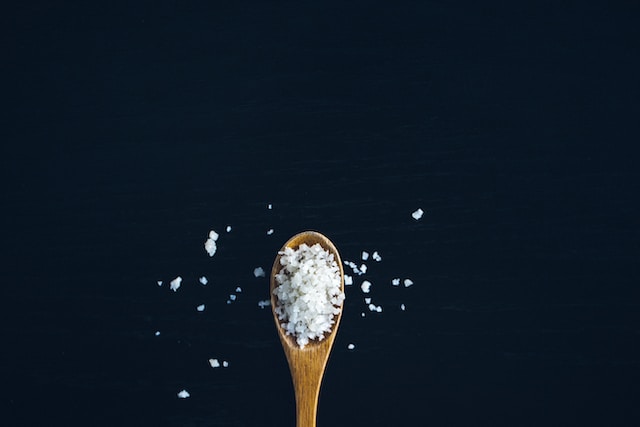
Frequently Asked Questions about Salt and Flavor
How does salt affect the taste of food?
Salt is known to enhance the flavor of food. When added to dishes, salt interacts with the taste buds in your mouth, increasing salivation and amplifying other flavors in the dish. It can also help to balance and reduce bitterness, while masking sourness and sweetness sensations.
Why is it important to use salt in cooking?
Salt is an essential ingredient in cooking that acts as a preservative, enhances flavor, and helps in tenderizing the texture of meat. It can also bring out flavors in vegetables and fruits, and suppress bitter tones in certain foods.
Is there a difference between using table salt, sea salt, or kosher salt?
While these types of salts have the same chemical composition, they differ in their texture, taste, and how they are processed. Table salt is highly refined and contains added iodine, whereas sea salt is made through evaporation from seawater, and kosher salt has larger, irregularly shaped crystals. These differences can affect the taste and texture of your dishes, so use salt that best works for your recipe.
Can you use too much salt in a recipe?
Yes, you can use too much salt in a recipe, which can lead to an unpleasant salty flavor that overpowers all other flavors in the dish. Health experts recommend limiting the intake of salt to avoid health problems, such as high blood pressure, water retention, and heart disease. To avoid over-salting, it is recommended to start with a small amount of salt and add more gradually as needed.

Why Himalayan Pink Salt is the Best Choice for Your Health
Salt is a staple in every kitchen worldwide. It is used to enhance the flavor of food and preserve it. But not all salt is created equal. Himalayan pink salt is one of the best choices for your health due to its unique mineral profile and benefits.
The Benefits of Himalayan Pink Salt
Himalayan pink salt is a natural salt that is sourced from the Himalayan mountains. It is unrefined and unprocessed, which means that it retains its natural mineral profile. In fact, it contains over 84 minerals and trace elements that are essential for human health. Some of the benefits of Himalayan pink salt include:
- Regulating the water levels in your body
- Supporting bone strength
- Aiding digestion
- Reducing inflammation
- Improving blood circulation and heart health
- Supporting respiratory health
How to Use Himalayan Pink Salt
Like any other salt, Himalayan pink salt can be used to season food. But it also has other uses. For example, you can:
- Make a Himalayan pink salt bath to soothe sore muscles and detoxify your body
- Use a Himalayan pink salt lamp to improve air quality and reduce stress
- Replace your regular table salt with Himalayan pink salt for a healthier alternative
If you’re interested in learning more about the benefits of Himalayan pink salt, check out this Wikipedia page for more information.
How does salt affect the taste of food?
- Enhances flavor
- Suppresses bitterness
- Increases sweetness
- Inhibits perception of sourness
- Improves texture
- Preserves food
- Induces thirst