

Contents
Come Coltivare e Utilizzare le Erbe Fresche nelle Piatto Italiane
Le erbe fresche sono un ingrediente essenziale nella cucina italiana, aggiungendo freschezza e aroma ai piatti. In questo articolo, ti guideremo su come coltivare e utilizzare le erbe fresche per creare deliziosi piatti italiani.
Come Coltivare le Erbe Fresche
Per coltivare le tue erbe fresche, avrai bisogno di un po’ di terriccio fertile, luce solare e acqua. È possibile piantare le erbe in vaso o in giardino, assicurandoti di mantenere il terreno umido e di esporle alla luce solare diretta per almeno 6-8 ore al giorno.
Come Utilizzare le Erbe Fresche nei Piatti Italiani
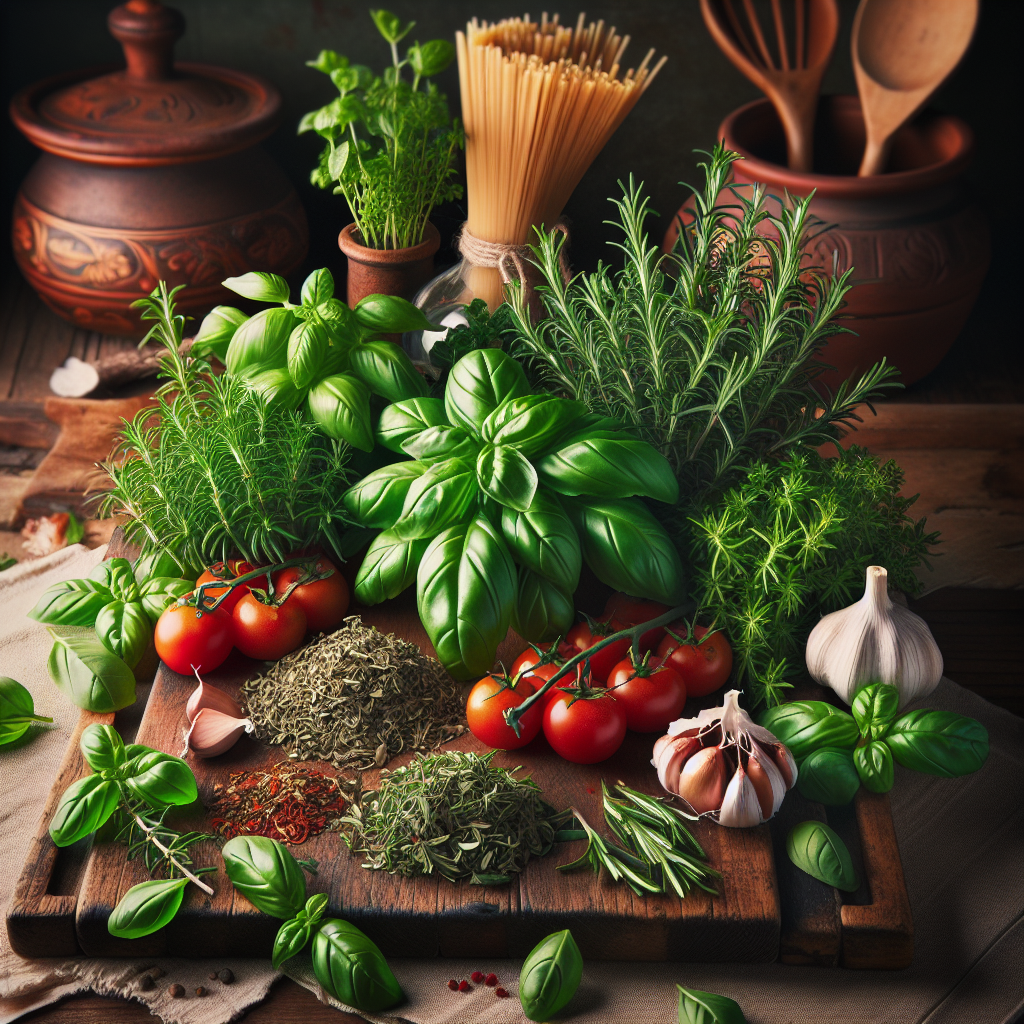
Le erbe fresche possono essere utilizzate in una varietà di piatti italiani, come pasta, insalate, zuppe e carni. Alcune delle erbe più comuni utilizzate nella cucina italiana includono basilico, prezzemolo, rosmarino e timo. Aggiungi le erbe fresche alla fine della cottura per preservarne il sapore e l’aroma.

Introduction
Fresh herbs can add a burst of flavor to any dish, especially Italian cuisine. In this blog post, we will discuss how to grow and use fresh herbs in Italian dishes to elevate your cooking.
How to Grow Fresh Herbs
Choose the Right Herbs
When growing herbs for Italian dishes, it’s important to choose the right ones. Some popular herbs used in Italian cooking include basil, oregano, rosemary, parsley, and thyme.
Planting Herbs
Herbs can be planted in pots, containers, or directly in the ground. Make sure they receive enough sunlight and water regularly. You can also grow them indoors on a sunny windowsill.
Harvesting Herbs
To harvest herbs, simply snip off the desired amount with clean scissors or pruning shears. You can use them fresh or dry them for later use.
Using Fresh Herbs in Italian Dishes
Basil
Basil is a key ingredient in many Italian dishes, including Caprese salad and pesto. It has a sweet and aromatic flavor that pairs well with tomatoes and mozzarella.
Oregano
Oregano is commonly used in pasta sauces, pizzas, and grilled meats. It has a robust flavor that adds a savory kick to dishes.
Rosemary
Rosemary is often used in roasted meats, potatoes, and focaccia bread. It has a piney flavor that complements hearty dishes.
Parsley
Parsley is a versatile herb that can be used as a garnish or in salads, sauces, and soups. It has a fresh and slightly peppery taste.
Thyme
Thyme is great for adding depth to dishes like stews, roasted vegetables, and marinades. It has a subtle earthy flavor that pairs well with many ingredients.
By growing and using fresh herbs in your Italian dishes, you can enhance the flavors and aromas of your cooking. Experiment with different herbs and recipes to create delicious and authentic Italian meals.
Conclusion
Fresh herbs are a simple yet effective way to elevate your Italian cooking. Whether you grow them yourself or purchase them from a local market, incorporating fresh herbs into your dishes can make a world of difference in taste and presentation.

Frequently Asked Questions About Growing and Using Fresh Herbs in Italian Dishes
Which herbs are commonly used in Italian cooking?
Some common herbs used in Italian dishes include basil, oregano, rosemary, thyme, parsley, and sage.
How can I grow my own fresh herbs for Italian dishes?
To grow fresh herbs for Italian dishes, you can start by planting them in a sunny spot with well-drained soil. Make sure to water them regularly and trim them to encourage growth.
How do I use fresh herbs in Italian recipes?
Fresh herbs can be used in Italian recipes by chopping them finely and adding them to dishes like pasta, salads, sauces, and marinades. They can also be used as a garnish to add flavor and freshness to the dish.
Can I substitute dried herbs for fresh herbs in Italian recipes?
While fresh herbs are preferred in Italian cooking for their vibrant flavor, you can substitute dried herbs if fresh ones are not available. Keep in mind that dried herbs are more potent, so you’ll need to use less than the amount of fresh herbs called for in the recipe.

The Importance of Kitchen Herbs in Italian Cuisine
Italian cuisine is known for its rich and flavorful dishes, and one of the key ingredients that contribute to this is the use of fresh herbs. Kitchen herbs play a crucial role in Italian cooking, adding depth and complexity to dishes such as pasta, pizza, and risotto.
Popular Kitchen Herbs Used in Italian Cuisine
Some of the most commonly used kitchen herbs in Italian cuisine include:
- Basil
- Oregano
- Rosemary
- Thyme
- Parsley
These herbs not only add flavor to dishes, but also bring a fresh and aromatic quality that is characteristic of Italian cooking.
Discover More About Italian Kitchen Herbs
If you’re interested in learning more about the different kitchen herbs used in Italian cuisine, you can visit this Wikipedia page for more information.
How to Grow and Use Fresh Herbs in Italian Dishes
- Choose the right herbs for Italian cuisine such as basil, oregano, rosemary, and parsley.
- Grow your own herbs in a sunny spot or in containers if you have limited space.
- Harvest herbs by clipping the leaves and stems as needed, being careful not to damage the plant.
- Use fresh herbs in Italian dishes like pasta sauces, salads, and pizzas to add flavor and freshness.
- Dry or preserve leftover herbs by hanging them upside down or freezing them in ice cube trays with olive oil.
Category – Pepper, Salt and Herbs