Contents
How to Grow Your Own Black Pepper Plant at Home
Growing black pepper at home is an easy and rewarding experience. Not only does fresh black pepper add flavor to your meals, but the plant itself makes a beautiful addition to any garden. With a few simple steps, you can enjoy the benefits of growing your own black pepper plant at home.
Step 1: Choose a Location
Choose a location in your garden that receives at least six hours of indirect sunlight a day. Black pepper plants also thrive in warm environments, with temperatures between 70 and 85 degrees Fahrenheit.
Step 2: Soil Preparation
Black pepper plants require well-draining soil with a pH level between 4.5 and 7.5. Add organic matter, such as compost or manure, to your soil to improve its texture and nutrient content.
Step 3: Planting
Plant your black pepper seeds about 1/4 inch deep, and keep the soil moist. Pepper seeds usually take two to three weeks to germinate. As your seedlings grow, gradually increase water and fertilizer.
Step 4: Support
Once your black pepper plant reaches about 12 inches in height, it will require support. Use a trellis or sturdy stake to support the plant’s vines.
Step 5: Harvesting
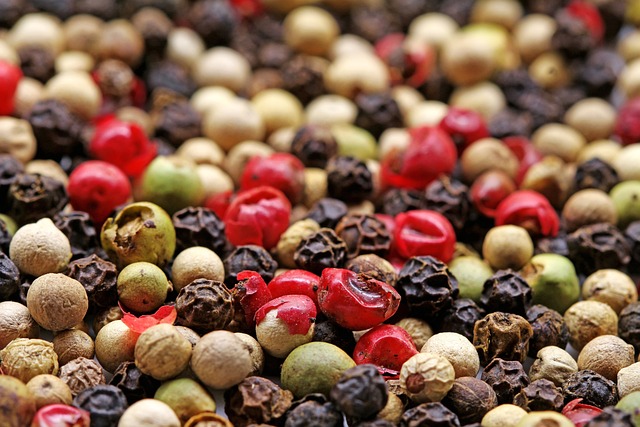
Black pepper berries are ready to harvest when they turn from green to bright red. To make black pepper, let the berries air dry until they shrivel and turn black.
Growing your own black pepper plant at home is easy and rewarding. With the right growing conditions, your plant will flourish, and you can enjoy fresh black pepper for years to come.
Introduction to Growing Your Own Black Pepper Plant at Home
What is Black Pepper?
Black pepper is a flowering vine that produces small berries known as peppercorns. These berries are dried and used as a spice in many cuisines around the world. Black pepper is widely grown in tropical regions, such as India, Vietnam, and Indonesia.
Why Grow Black Pepper at Home?
Growing black pepper at home can be a fun and rewarding experience. Not only will you have access to fresh, homegrown peppercorns, but you will also be able to enjoy the process of growing and caring for a unique and exotic plant.
How to Grow Your Own Black Pepper Plant
Before you start growing your black pepper plant, it is important to know that it is a tropical plant that requires warm temperatures, high humidity, and plenty of water. Here is a step-by-step guide on how to grow your own black pepper plant at home:
- Step 1: Obtain black pepper seeds from a reputable source.
- Step 2: Soak the seeds in water for 24 hours to help facilitate germination.
- Step 3: Fill a pot with well-draining soil that is rich in organic matter.
- Step 4: Plant the seeds about 1 inch deep in the soil.
- Step 5: Water the soil thoroughly, making sure that it is always moist but not waterlogged.
- Step 6: Place the pot in a warm, humid location, such as a greenhouse or near a humidifier.
- Step 7: Wait for the seeds to germinate, which can take anywhere from 4 to 6 weeks.
- Step 8: Once the seedlings have grown to about 6 inches tall, transplant them into a larger pot or into your garden.
- Step 9: Provide the plant with plenty of water and fertilizer, and make sure that it is in a warm and humid environment.
- Step 10: Harvest the peppercorns when they are fully mature, which can take up to 5 years after planting.
Tips for Growing Black Pepper at Home
- Choose a warm and humid location for your black pepper plant, such as a greenhouse or near a humidifier.
- Use well-draining soil that is rich in organic matter to ensure that your plant is getting the nutrients it needs.
- Provide your plant with plenty of water and fertilizer to promote healthy growth.
- Protect your plant from pests and diseases by keeping it in a clean and well-maintained environment.
Conclusion
Growing your own black pepper plant at home can be a fun and rewarding experience. With the right growing conditions and care, you can enjoy the fresh and exotic flavor of homegrown black pepper in your favorite dishes. So why not try growing your own black pepper plant today?
How to Grow Your Own Black Pepper Plant at Home: FAQs
What is Black Pepper?
Black pepper is a spice that is commonly used in various dishes. It is derived from the peppercorn plant which is native to India.
Can I grow my own Black Pepper at Home?
Yes, you can grow your own black pepper plant at home. It requires certain conditions that can be created in a greenhouse or indoors.
What Are the Requirements to Grow Black Pepper Plants at home?
Black pepper plants require a warm and humid climate to grow. They thrive in temperatures between 75 to 85 degrees Fahrenheit and require a well-drained soil that is rich in organic matter. Additionally, they require support to climb and a regular supply of water.
How Do You Plant Black Pepper at Home?
To plant black pepper at home, soak the seeds in warm water for 24 hours. Next, plant them in well-drained soil in a pot that is at least 12 inches deep. Water the soil regularly and keep it evenly moist. The seeds should germinate within 10 to 14 days.
How Long Does It Take for a Black Pepper Plant to Grow?
Black pepper plants take about three to four years to mature and start producing berries. However, you can start harvesting the leaves for culinary use once the plant has grown to about six inches tall.

The History and Health Benefits of Black Pepper
What is Black Pepper?
Black pepper, which is also known as the king of spices, is a flowering vine plant that is commonly used in cooking around the world. The dried fruit of the plant is what we know as the black peppercorn.
The History of Black Pepper
Black pepper has a long and rich history, dating back to ancient times. It was so valuable in the Roman Empire that it was even used as a form of currency. It was also used in ancient Indian and Chinese medicine due to its medicinal properties.
The Health Benefits of Black Pepper
Black pepper is not only a great addition to your favorite dishes, but it also has numerous health benefits. It can aid in digestion, improve cognitive function, and even help fight against certain cancers.
Conclusion and Relevant Resource
In conclusion, adding black pepper to your diet can provide more than just its delicious taste. With its long history and numerous health benefits, it’s no wonder why black pepper is a staple in many cultures around the world.
If you’re interested in learning more about black pepper, check out the relevant page on Wikipedia: https://en.wikipedia.org/wiki/Black_pepper.

How to Grow Your Own Black Pepper Plant at Home
Introduction
- Black pepper is a commonly used spice in cooking that can easily be grown at home
- It can be grown indoors in a pot or outdoors in a warm climate
- You can start growing black pepper from store-bought peppercorns
Materials Needed
- Peppercorns
- Potting soil
- Growing container
- Water source
- Fertilizer
Steps to Planting
- Soak peppercorns overnight in water to help with germination
- Fill container with potting soil
- Plant peppercorns in soil, about 1 inch deep
- Water well and place in a warm, sunny spot
- Keep soil moist but not waterlogged
- Feed plant with fertilizer every few weeks
- As the plant grows, trellis it to support its vine-like growth
- Harvest peppercorns once they turn red for black pepper or wait until they turn yellow for white pepper
Conclusion
- Growing your own black pepper plant is a fun and rewarding experience
- You can easily have fresh, homegrown black pepper for all of your culinary needs