


Contents
Kosher Salt vs. Table Salt: Understanding the Differences
When it comes to cooking and seasoning, salt is an essential ingredient in many kitchens. However, not all salts are created equal. Two of the most commonly used types are kosher salt and table salt, each with its unique characteristics, applications, and flavors. In this guide, we will explore the differences between these two salts, including their texture, usage, and culinary benefits, helping you make an informed choice for your cooking needs.

Kosher Salt Overview
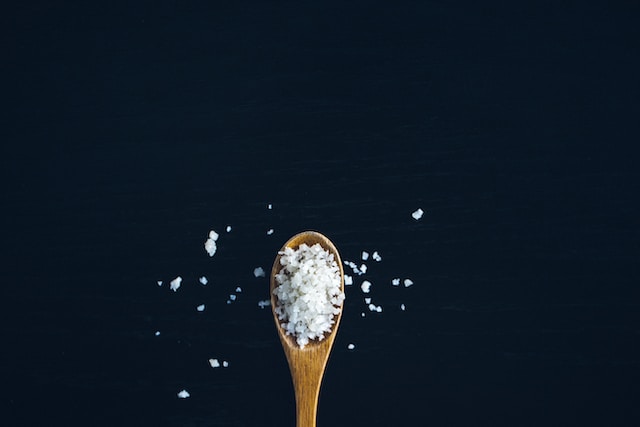
Kosher salt is a coarse-grained salt that is popular in the culinary world. It is named after the Jewish process of koshering meat, where it is used to draw out blood. Its larger crystals allow for easy handling and seasoning.
Characteristics of Kosher Salt
- Coarse texture
- Fewer additives compared to table salt
- More natural flavor
- Ideal for seasoning meats
Table Salt Overview
Table salt is the most common type of salt found in kitchens. It usually contains anti-caking agents to prevent clumping and is often iodized, meaning that iodine has been added to prevent deficiencies in the diet.
Characteristics of Table Salt
- Fine texture
- Often contains additives like anti-caking agents
- Commonly iodized
- Uniform flavor
Key Differences Between Kosher Salt and Table Salt
Texture and Size
The most noticeable difference is the grain size. Kosher salt’s larger crystals make it less dense than table salt, affecting how much salt is needed in recipes.
Additives and Iodine Content
Table salt often contains iodine, which is important for thyroid function, while kosher salt generally does not. Additionally, kosher salt has fewer additives compared to table salt, making it a more natural choice for some cooks.
Flavor Profile
Many chefs prefer kosher salt for its less pronounced flavor. The larger grains dissolve more slowly, allowing for a more controlled seasoning process.
Usage in Cooking
Because of its texture, kosher salt is often used for brining and salting meats, while table salt is a staple for general cooking and baking.
When to Use Each Type
Cooking and Baking
For baking, it’s often best to stick with table salt due to its fine texture and consistency. However, for savory dishes, kosher salt is often favored for its texture and ease of use.
Finishing Touches
Kosher salt can also be used as a finishing salt, adding texture and crunch to dishes just before they are served. Its larger crystals remain visible and create a nice presentation.
Conclusion
Understanding the differences between kosher salt and table salt can significantly impact your culinary experience. Choose the salt that best fits your cooking style and appreciate the nuances each brings to your dish.
Learn More
For further reading on cooking salts, you can visit Serious Eats.
FAQs about Kosher Salt vs. Table Salt
What is Kosher Salt?
Kosher salt is a coarse-grained salt that is used in the koshering process of meat to draw out blood. It is often favored by chefs for its texture and flavor.
What is Table Salt?
Table salt is a fine-grained salt that is typically mined from salt deposits. It often contains additives like anti-caking agents and sometimes iodine.
What are the main differences between Kosher Salt and Table Salt?
The main differences include:
- Texture: Kosher salt has larger grains, while table salt is fine.
- Taste: Due to its larger crystals, kosher salt generally has a milder flavor compared to the sharper taste of table salt.
- Additives: Table salt often contains iodine and anti-caking agents, whereas kosher salt is typically additive-free.
Can I substitute Kosher Salt for Table Salt in recipes?
Yes, but be mindful of the difference in grain size. Because kosher salt is less dense, you’ll need to adjust the quantity. Generally, use about 1.5 times more kosher salt than table salt.
Is Kosher Salt healthier than Table Salt?
Both types of salt are similar in terms of sodium content, so neither is necessarily healthier. The choice often comes down to taste and culinary use.
Can kosher salt be used for purposes other than cooking?
Yes, kosher salt can be used for various purposes, including preserving food, curing meats, or even in cosmetic products and baths due to its mineral content.

Understanding Kosher Salt for Cooking
What is Kosher Salt?
Kosher salt is a coarse-grained salt known for its clean taste and ability to enhance the flavors of food. It is a favorite among chefs for seasoning and brining.
Benefits of Using Kosher Salt
- Easy to pinch and control, making it ideal for cooking.
- Less processed than table salt, often free of additives.
- Improves the texture and overall flavor of dishes.
How to Use Kosher Salt in the Kitchen
When using kosher salt, it’s important to consider the grain size. A larger grain may take longer to dissolve, so adjust quantities accordingly. It works exceptionally well for:
- Brining meats
- Seasoning vegetables
- Finishing dishes with a crunchy texture
Learn More About Kosher Salt
For more information on the uses and characteristics of kosher salt, visit the Wikipedia page.
This HTML snippet provides a concise article about kosher salt suitable for kitchen use, complete with various headings and an outbound link to relevant information.
Kosher Salt vs. Table Salt: Understanding the Differences
- Texture: Kosher salt has larger crystals than table salt.
- Flavor: Kosher salt offers a milder flavor, while table salt is more intense.
- Use in cooking: Kosher salt is preferred for seasoning meats; table salt is often used for general cooking.
- Additives: Table salt usually contains anti-caking agents; kosher salt typically does not.
- Measurement: 1 teaspoon of table salt does not equal 1 teaspoon of kosher salt due to size differences.
- Popularity: Chefs often favor kosher salt for its ease of handling and versatility.