Contents
When it comes to weight loss, maintaining a balanced and nutritious diet is essential. However, many people believe that certain foods, like ribeye steak, can hinder their weight loss goals due to their high calorie content. However, with proper knowledge and portion control, you can still enjoy a delicious ribeye steak while managing your caloric intake.
Understanding Caloric Roadblocks: Ribeye steak, known for its marbling and rich flavor, can be a significant source of calories when consumed in large quantities. Each ounce of ribeye steak contains approximately 100-110 calories, depending on the fat content. This means that a 10-ounce ribeye steak can contribute around 1000-1100 calories to your daily intake.
The Importance of Portion Control: To incorporate ribeye steak into your weight loss journey, it’s crucial to practice portion control. Instead of indulging in a large steak, opt for a smaller portion size. A 4-ounce ribeye steak, for instance, is usually sufficient and contains about 400-440 calories. Additionally, keep in mind that the cooking method and any added fats or sauces can also significantly increase the calorie count.
Choosing Leaner Cuts: Another strategy to lower the calorie content of ribeye steak is to choose leaner cuts. Look for ribeye steaks with less visible fat or choose cuts like “top sirloin” or “eye of round” which are known to be leaner. These leaner cuts can provide a delicious alternative while reducing the calorie intake.
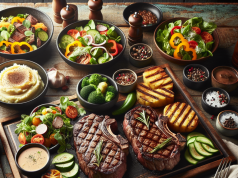
Incorporating Ribeye Steak into a Balanced Diet: It’s important to note that weight loss is not just about cutting out certain foods. Instead, it’s about creating a balanced and sustainable eating plan. Ribeye steak can be a part of this plan by incorporating it into a nutrient-rich meal. Combine your ribeye steak with a side of steamed vegetables, a leafy green salad, or a serving of whole grains to create a well-rounded and satisfying meal.
By understanding the caloric roadblocks associated with ribeye steak and implementing portion control, you can still enjoy this flavorful cut of meat while staying on track with your weight loss goals. Remember to listen to your body’s hunger cues and make conscious choices that align with your overall health and well-being.
🔥Premium Angus Beef T-Bone – SHOP NOW🔥
The Connection Between Ribeye Steak and Weight Loss
Ribeye steak is often deemed as a hindrance when it comes to weight loss due to its high-calorie content. However, with proper planning and moderation, you can enjoy this delicious cut while still making progress towards your weight loss goals. In this blog post, we will delve into the nutritional aspects of ribeye steak and provide you with tips to navigate the caloric roadblocks it presents.
Understanding the Nutritional Profile of Ribeye Steak
Ribeye steak is known for its rich marbling, which adds flavor and tenderness but also contributes to its calorie content. A 3-ounce serving of ribeye steak contains approximately 190-210 calories, depending on the fat content. Additionally, ribeye steak is an excellent source of protein, essential vitamins, and minerals such as iron and zinc. To incorporate ribeye steak into your weight loss journey, it’s crucial to consider portion sizes and preparation methods.
1. Opt for Lean Cuts: Choosing leaner cuts of ribeye steak can significantly reduce the caloric intake. Look for terms like “loin” or “round” when purchasing ribeye steaks, as they tend to have a lower fat content.
2. Portion Control: Controlling your serving size is crucial when it comes to calorie management. Stick to a sensible portion of 3-4 ounces, paired with a variety of nutrient-rich vegetables and whole grains to create a balanced meal.
3. Trim Excess Fat: Trimming the visible fat from the steak before cooking can help further reduce the overall caloric content. Additionally, consider alternate cooking methods like grilling or broiling to allow the excess fat to drip away.
4. Balancing the Rest of Your Day: If you plan to enjoy a ribeye steak for dinner, focus on consuming lighter, low-calorie meals for breakfast and lunch. This approach helps allocate your daily caloric intake more efficiently.
Importance of Moderation and Overall Diet
While ribeye steak can be part of a healthy diet, it’s crucial to remember that moderation is key. Incorporating a variety of nutrient-dense foods, regular exercise, and staying hydrated are also vital components of successful weight loss. Achieving a caloric deficit is necessary to shed pounds, and monitoring your overall dietary choices will contribute to long-term success.
Conclusion
In summary, enjoying ribeye steak during your weight loss journey requires careful consideration of portion sizes, selecting leaner cuts, and implementing healthier cooking methods. By understanding its nutritional profile and making conscious choices, you can navigate the caloric roadblocks associated with ribeye steak. Remember, moderation and a well-balanced diet are key elements in achieving your weight loss goals while still relishing the occasional ribeye steak indulgence.
For more information on healthy eating and weight loss, check out our relevant blog post.

Frequently Asked Questions: Ribeye Steak and Weight Loss
Q1. Can I eat ribeye steak while on a weight loss diet?
A1. Yes, you can include ribeye steak in your weight loss diet, but it should be consumed in moderation and as part of a well-balanced meal plan.
Q2. What is the caloric content of ribeye steak?
A2. The caloric content of ribeye steak can vary depending on the size and preparation method. On average, a 3-ounce (85g) serving of ribeye steak contains around 250-300 calories.
Q3. How can I reduce the caloric intake while enjoying ribeye steak?
A3. Here are some tips to navigate the caloric roadblocks:
- Trim off excess fat from the steak before cooking
- Choose leaner cuts of ribeye steak
- Grill or broil the steak instead of pan-frying it
- Avoid using excessive butter or oil during the cooking process
- Pair the steak with plenty of vegetables and whole grains
Q4. Are there any health benefits of ribeye steak?
A4. Ribeye steak is a good source of protein, iron, zinc, and B vitamins. However, it is important to consume it in moderation and maintain a balanced diet to reap its benefits.
Q5. Can ribeye steak be a part of a low-carb diet?
A5. Yes, ribeye steak can be included in a low-carb diet as it is high in protein and low in carbohydrates. However, it is recommended to consult a healthcare professional or a registered dietitian for personalized advice.

All About Ribeye Steak Calories
What are Ribeye Steaks?
Ribeye steaks are a popular cut of beef obtained from the rib section of a cow. They are well-known for their rich marbling and tenderness, making them a favorite choice among steak lovers.
Nutritional Information
Ribeye steaks are not only delicious but also provide valuable nutrients. Let’s take a look at their nutritional content:
- Calories: Approximately 318 calories per 100 grams*
- Protein: High in protein, providing around 26 grams per 100 grams*
- Fat: Rich in fat, with approximately 24 grams per 100 grams*
- Carbohydrates: Negligible amount, making it a low-carb option
- Minerals: Contains essential minerals such as iron, zinc, selenium, and phosphorus
- Vitamins: Contains B-vitamins, including niacin, thiamine, and vitamin B6
Health Considerations
While ribeye steaks are a tasty choice, it’s important to keep in mind the calorie and fat content. They are relatively high in calories and saturated fat compared to leaner cuts of beef. Therefore, it’s advisable to enjoy them in moderation as part of a well-balanced diet.
If you want to learn more about ribeye steaks, their cooking methods, or different recipes, you can visit the Wikipedia page on Ribeye Steak.
*Nutritional values may vary depending on the specific cut and cooking method.

Premium Angus Beef T-Bone – SHOP NOW
Ribeye Steak:
- High-quality, flavorful cut of beef
- Rich in proteins and fats
- Great source of essential nutrients
- Should be consumed in moderation due to calorie content
- Set realistic weight loss goals
- Focus on creating a calorie deficit through diet and exercise
- Choose nutrient-dense, low-calorie foods
- Be mindful of portion sizes
- Incorporate regular physical activity into your routine
Category – STEAKS, BURGER & MEATS