Contents
Steak Lovers Delight: Porterhouse vs T-bone Explained
Introduction
If you’re a fan of juicy, flavorful steaks, the Porterhouse and T-bone cuts are likely already on your radar. While they may seem similar at first glance, these two cuts have distinct characteristics that can elevate your dining experience. In this article, we’ll delve into the differences between the Porterhouse and T-bone steaks, exploring their flavor profiles, optimal cooking methods, and ideal pairings. Whether you’re grilling in your backyard or dining out at a steakhouse, understanding these cuts will help you make a more informed choice for your next meal.

Understanding the Basics
When it comes to steak, two cuts often steal the spotlight: the Porterhouse and the T-bone. Both are beloved by meat enthusiasts, but they come from different parts of the cow and have distinct characteristics that set them apart.
Where Do They Come From?
The Veal Region
Both the Porterhouse and T-bone steaks originate from the short loin section of the cow. This region is known for its tenderness, making it a popular choice for steak lovers.
Breakdown of the Cuts
While they may appear similar, the key difference lies in the amount of tenderloin they contain. The Porterhouse steak is larger and includes a thicker portion of tenderloin, while the T-bone has a smaller section of this prized cut.
Size Matters
In terms of size, Porterhouse steaks can weigh between 24 and 36 ounces, while T-bones usually range from 16 to 24 ounces. This significant difference often makes the Porterhouse the choice for those looking for a more substantial meal.
Flavor Profiles
The Tenderloin
The tenderloin is known for its buttery, melt-in-your-mouth texture. This cut can be found on both steaks, but its presence is more prominent in the Porterhouse due to the larger portion available.
The Strip Side
The strip side of both cuts is flavorful as well. It comes from the strip loin, which provides a hearty meaty taste. The flavor profile is robust and typically has a more pronounced beefy flavor compared to the tenderloin.
Cooking Methods
Grilling and Broiling
Both Porterhouse and T-bone steaks are perfect for grilling and broiling. Their thickness allows for various cooking methods, from high-heat searing to slow-roasting. To best enjoy their flavor, medium-rare is often recommended.
Best Seasonings
Simple seasonings like salt, pepper, and a dash of garlic powder often work wonders. For an added depth of flavor, consider marinating or rubbing the steaks with your favorite spices before cooking.
Serving Suggestions
Side Dishes
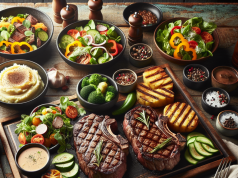
Pair your Porterhouse or T-bone steak with classic accompaniments such as baked potatoes, sautéed vegetables, or a fresh garden salad for a complete meal.
Wine Pairings
Red wines, especially robust varieties like Cabernet Sauvignon or Malbec, are excellent choices to complement the rich flavors of these steaks.
Conclusion: Which to Choose?
Ultimately, whether you choose a Porterhouse or a T-bone will depend on your appetite and preference for tenderness. For more information on steak cuts and cooking techniques, check out Cooking Light.
Understanding Porterhouse and T-Bone Steaks
What is a Porterhouse Steak?
The porterhouse steak is known for its large size and is cut from the rear end of the short loin. It consists of a larger portion of tenderloin compared to the T-bone. This steak is typically characterized by its ‘T’ shape, which includes both sirloin and tenderloin on either side.
What is a T-Bone Steak?
A T-bone steak features a similar ‘T’ shape but is generally smaller than the porterhouse. It is cut from the front section of the short loin and contains less tenderloin, making it a more affordable option. The T-bone is popular for its rich flavor and tenderness.
Key Differences
- Size: Porterhouse steaks are larger than T-bone steaks.
- Tenderloin: The portion of tenderloin in a porterhouse is significantly larger.
- Location: Porterhouse comes from the rear of the short loin, while T-bone comes from the front.
Cooking Methods
Both porterhouse and T-bone steaks can be grilled, broiled, or pan-seared. However, due to the size and tenderness of the porterhouse, it may require slightly different cooking times to achieve the perfect doneness.
Learn More
For more detailed information on the differences between these two types of steaks, you can visit the Wikipedia page on T-bone steak.

FAQs: Steak Lovers Delight – Porterhouse vs T-bone Explained
What is the main difference between Porterhouse and T-bone steaks?
The main difference lies in the size and the amount of tenderloin each steak contains. A Porterhouse steak has a larger portion of tenderloin, while a T-bone steak has a smaller portion.
How are Porterhouse and T-bone steaks cut?
Both steaks are cut from the short loin of the cow, but the Porterhouse is cut from the rear end, which includes more tenderloin. The T-bone is cut from the front end of the short loin.
Can you cook Porterhouse and T-bone steaks the same way?
Yes, both steaks can be cooked using similar methods such as grilling, broiling, or pan-searing. However, due to the size difference, cooking times may vary slightly.
Which steak is more tender?
Porterhouse steaks are generally more tender because they have a larger portion of tenderloin. Tenderloin is known for its buttery texture, making it a favorite among steak enthusiasts.
Are Porterhouse and T-bone steaks equally flavorful?
Both steaks are flavorful, but the taste can vary slightly based on the amount of fat and marbling. Some people prefer the richer flavor of the Porterhouse due to its larger tenderloin section.
Which steak is better for a special occasion?
Both steaks can be a great choice for special occasions, but many people opt for the Porterhouse due to its size and tenderness, making it more impressive on the plate.
How do I choose between Porterhouse and T-bone at the butcher?
When choosing, consider the portion of tenderloin you prefer. If you want more tenderloin, go for the Porterhouse; if you’d like a more balanced steak, the T-bone may be your choice.

Introduction
- Understanding the differences between Porterhouse and T-bone steaks.
Cut of Meat
- Both come from the short loin section of the cow.
- Porterhouse contains a larger portion of tenderloin compared to T-bone.
Size and Shape
- Porterhouse steaks are generally larger than T-bone steaks.
- T-bone steaks have a smaller tenderloin section.
Flavor and Tenderness
- Porterhouse offers a richer flavor due to its size and tenderness.
- T-bone provides a tasty experience but is less tender than Porterhouse.
Cooking Methods
- Both steaks benefit from grilling or pan-searing.
- Cooking time varies due to differences in thickness.
Conclusion
- Choose Porterhouse for a larger, more tender option.
- Opt for T-bone for a slightly smaller, flavorful steak.