Contents
Welcome to Steak Perfection
The DIY Guide to Tenderizing
If you’ve ever bit into a tough steak and felt your dining experience spoiled, you’re not alone. Achieving the perfect steak is a mix of high-quality ingredients and proper technique. In this guide, we will explore various methods to tenderize steak, ensuring each bite is juicy and flavorful. Whether you’re a novice cook or a seasoned grill master, our simple tips and tricks will help you understand the science of meat tenderness and transform your steak-cooking skills. Get ready to impress family and friends with your newfound prowess in creating steak perfection!

Understanding Steak Cuts
Different cuts of steak have varying textures and flavors, which significantly impact the tenderness of the meat. Here are some popular cuts:
1. Tender Cuts
- Filet Mignon
- Ribeye
- New York Strip
2. Tough Cuts
- Brisket
- Flank Steak
- Skirt Steak
Understanding these differences will help you choose the right cut for your preferences and cooking method.
Methods of Tenderizing Steak
1. Mechanical Tenderization
This involves physically breaking down the fibers in the meat using tools like tenderizers or mallets. The process includes:
- Using a meat mallet: Pound the meat evenly to break down tough fibers.
- Fork method: Poke holes in the steak with a fork to allow marinades to penetrate better.
2. Marinades
Marinades can enhance flavor and promote tenderness. Key ingredients include:
- Acidic components (like vinegar or citrus juice)
- Enzymatic tenderizers (like papaya or pineapple)
- Oil and spices for flavor enhancement
Allow your steak to marinate for at least 30 minutes, or up to 24 hours for maximum effect.
3. Dry Aging
This traditional method enhances flavor and tenderness by drying the steak in a controlled environment. Check out this DIY Guide to Dry Aging Steak for details on how to age your steak at home.
Cooking Techniques to Enhance Tenderness
1. Sous Vide Cooking
Sous vide is a method of cooking steak at a precise temperature in a water bath. This technique ensures even cooking and can result in incredibly tender meat.
2. Reverse Searing
Reverse searing involves slowly cooking the steak in the oven and finishing it on a hot grill or skillet. This technique helps to keep the meat tender and juicy.
Resting and Slicing for Perfect Steak
Letting the steak rest for 5-10 minutes after cooking allows the juices to redistribute, increasing tenderness. When slicing, ensure you cut against the grain for maximum tenderness.
Helpful Tools and Products
Investing in the right tools can enhance your DIY steak tenderizing efforts:
- Meat mallet or tenderizer
- Marinade injector
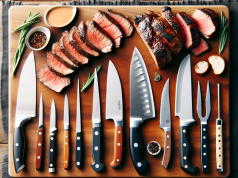
- High-quality chef’s knife
Further Resources
For more detailed techniques and recipes, you can visit Food Network’s Steak Section for inspiration and guidance.
Why Tenderizing Steak is Important
Tenderizing steak enhances its flavor and makes it easier to chew. The process breaks down tough fibers in the meat, improving its overall texture.
Techniques for Tenderizing Steak
- Mechanical Tenderization: This involves using a meat mallet or a tenderizer tool to physically break down the muscle fibers.
- Chemical Tenderization: Marinating steak with acidic ingredients like vinegar or citrus juices can help break down proteins.
- Salting: Applying salt to the steak a few hours before cooking can draw moisture into the meat and help tenderize it.
Best Marinades for Tenderizing Steak
Using marinades is an effective way to infuse flavor while tenderizing the meat. Common ingredients include:
- Olive oil
- Soy sauce
- Worcestershire sauce
- Garlic and herbs
More Information
For a deeper understanding of the science behind meat tenderization, visit this Wikipedia page.

FAQs About Steak Perfection: The DIY Guide to Tenderizing
What is steak tenderizing?
Steak tenderizing is the process of breaking down the muscle fibers in meat to make it more tender and enjoyable to eat. This can be achieved through various methods such as mechanical tenderizing, marinating, or using chemical tenderizers.
Why is tenderizing important?
Tenderizing is important because it enhances the texture of the steak, making it easier to chew and more flavorful. A well-tenderized steak also absorbs marinades and seasonings better, resulting in a tastier dish.
What are the best methods for tenderizing steak?
Some effective methods for tenderizing steak include:
- Mechanical tenderizing (using a mallet or fork)
- Marinating in acidic ingredients like vinegar or citrus juice
- Using commercial meat tenderizers containing enzymes
- Salting the steak to draw out moisture and break down proteins
How long should I marinate my steak for optimal tenderness?
For optimal tenderness, marinate your steak for at least 30 minutes to 2 hours. For tougher cuts, consider marinating for up to 24 hours. Be cautious with time when using highly acidic marinades, as they can begin to adversely affect the texture of the meat if left too long.
Can I tenderize steak without using a tenderizer?
Absolutely! You can tenderize steak without a commercial tenderizer by using natural methods such as marinating with acids, pounding it with a mallet, or using a fork to pierce the meat.
What kind of steak is best for tenderizing?
While any cut can be tenderized, tougher cuts like flank steak or skirt steak benefit the most. Cuts like ribeye or tenderloin are already tender and typically require less tenderizing.
Are there any drawbacks to tenderizing steak?
While tenderizing is generally beneficial, over-tenderizing can lead to a mushy texture. It’s crucial to find the right balance and methods suitable for the specific cut of steak you are preparing.
How can I tell if my steak is tenderized properly?
A properly tenderized steak should feel softer and have a more uniform texture. You can also check by cutting into the meat; it should be easy to slice and chew without excessive effort.
This structured format will help in presenting the FAQs clearly and effectively on a webpage.

Understanding Steak Cuts
- Learn about different cuts: ribeye, sirloin, tenderloin, etc.
- Identify flavor profiles and textures unique to each cut.
Tenderizing Techniques
- Mechanical tenderizing: using a mallet or fork.
- Marinating: using acidic ingredients like vinegar or citrus.
- Dry-ageing: enhancing flavor and tenderness over time.
Cooking Methods
- Grilling: high heat for a perfect sear.
- Searing and finishing in the oven for even cooking.
- Using sous-vide for precise temperature control.
Resting and Serving
- Resting steak allows juices to redistribute.
- Slicing against the grain for maximum tenderness.
Seasoning Tips
- Simplicity is key: salt and pepper can enhance flavor.
- Experiment with herbs and spices to personalize taste.