Contents
Take Your Steak to the Next Level: Pro Carving Tips
Are you tired of serving up steak that looks like a hacked-up mess? If you want to impress your guests with perfectly carved slices of juicy, tender meat, then it’s time to up your carving game. With these pro tips, you’ll be slicing and serving like a master chef in no time.

Introduction
Steak is a beloved dish by many, but to truly elevate the dining experience, it’s essential to learn the art of carving your steak like a pro. In this blog post, we will cover some tips and techniques to help you take your steak to the next level.
Choosing the Right Tools
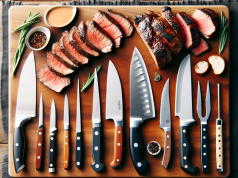
Before you start carving your steak, make sure you have the right tools on hand. A good quality carving knife with a sharp blade is essential for clean and precise cuts. Additionally, a sturdy cutting board with a well-grooved surface will help keep your steak in place while you carve.
Pro Tip:
Invest in a high-quality carving set that includes a carving knife, fork, and sharpening rod to ensure your tools remain in top condition for years to come.
Let the Steak Rest
Before carving your steak, allow it to rest for a few minutes after cooking. This will help redistribute the juices throughout the meat, resulting in a juicier and more flavorful final dish. Cover the steak loosely with aluminum foil to keep it warm while it rests.
Pro Tip:
For optimal results, let your steak rest for at least five minutes per inch of thickness. This will ensure that the juices have had enough time to settle and will make carving easier.
Identifying the Grain
Before carving your steak, it’s important to identify the direction of the grain. The grain refers to the lines of muscle fibers in the meat and can affect the tenderness of your steak. To identify the grain, look for the lines running parallel to each other on the surface of the steak.
Pro Tip:
When carving your steak, always slice against the grain to ensure tender and easy-to-eat pieces. Slicing against the grain will break up the muscle fibers, making for a more enjoyable dining experience.
Carving the Steak
When carving your steak, start by slicing it against the grain into thin, uniform pieces. Use a smooth, steady motion with your carving knife to ensure clean cuts. If you prefer thicker slices, adjust the angle of your knife slightly to create the desired thickness.
Pro Tip:
For a professional presentation, arrange the sliced steak on a platter in an overlapping fashion. This will not only make your dish visually appealing but also help retain the warmth of the meat.
Enjoy Your Steak
Once you have carved your steak like a pro, it’s time to sit back, relax, and enjoy the fruits of your labor. Pair your perfectly carved steak with your favorite sides and sauces for a truly unforgettable dining experience.
Pro Tip:
For additional flavor, consider drizzling a homemade pan sauce or compound butter over your carved steak. These simple additions can take your dish to the next level and impress even the most discerning steak connoisseur.
The Art of Steak Carving
When it comes to enjoying a perfectly cooked steak, the way it is carved plays a crucial role in enhancing the overall dining experience. Here, we will discuss some key steak carving techniques that will help you savor every bite of that juicy steak.
Choosing the Right Tools
Before you start carving your steak, make sure you have the right tools at hand. A sharp carving knife with a long, slender blade is ideal for slicing through the meat with precision. A carving fork can also be helpful in securing the steak in place while you carve.
Slicing Against the Grain
One of the most important steak carving techniques is to always slice against the grain. This means cutting the meat perpendicular to the direction of the muscle fibers. Slicing against the grain helps break down the tough fibers, resulting in a more tender and flavorful bite.
Letting it Rest
After cooking your steak to perfection, it is crucial to let it rest for a few minutes before carving. This allows the juices to redistribute evenly throughout the meat, ensuring a juicy and succulent steak.
For more in-depth information on steak carving techniques, check out Wikipedia’s article on Steak.

Frequently Asked Questions
Q: What tools do I need for pro carving?
A: To take your steak carving skills to the next level, you will need a sharp knife with a thin, flexible blade and a good cutting board with a groove to catch juices.
Q: How do I properly carve a steak?
A: Start by letting your steak rest for a few minutes after cooking to allow the juices to redistribute. Then, slice against the grain for maximum tenderness and flavor. Use a smooth, steady motion to achieve thin, even slices.
Q: How can I tell if my steak is cooked properly?
A: The best way to check the doneness of your steak is by using a meat thermometer. For medium-rare, the internal temperature should be around 130-135°F. Letting the steak rest before carving will also help ensure it remains juicy and flavorful.
Q: Can I use the same carving techniques for different cuts of steak?
A: While the basic principles of carving remain the same, different cuts of steak may require different techniques. For example, a bone-in ribeye may need to be carved differently than a filet mignon. Experiment with different cuts and carving methods to find what works best for each one.

Choose the Right Cut
- Start with a high-quality cut of meat, such as ribeye or filet mignon.
- Make sure the steak is properly cooked to your desired level of doneness.
Let It Rest
- Allow the steak to rest for a few minutes before carving to let the juices redistribute evenly.
Use the Right Tools
- Invest in a sharp carving knife to ensure clean cuts.
- Consider using a carving fork to hold the steak in place while slicing.
Slice Against the Grain
- Identify the direction of the muscle fibers and slice perpendicular to them for a tender bite.