





Contents
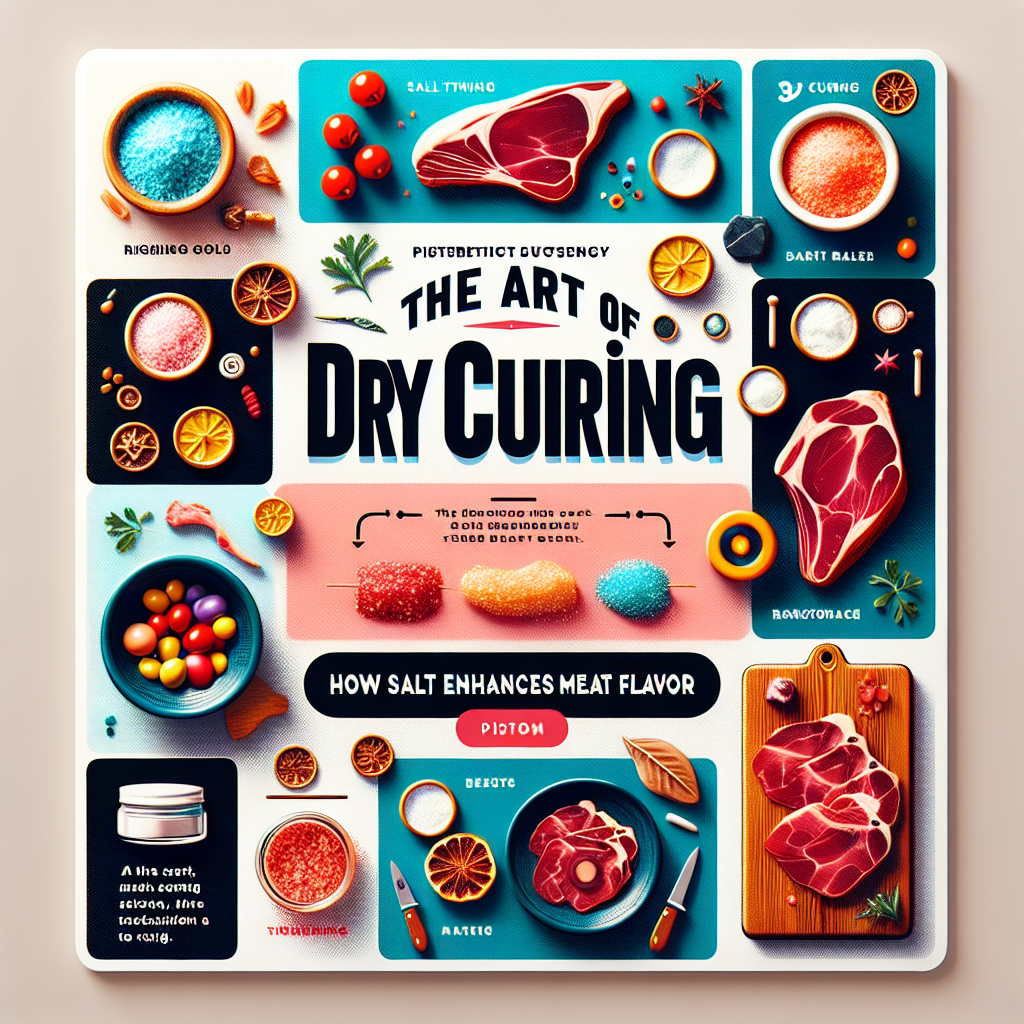
The Art of Dry Curing: How Salt Enhances Meat Flavor
Dry curing is a traditional method of preserving and flavoring meats that has been used for centuries. One of the key ingredients in the dry curing process is salt, which plays a crucial role in enhancing the flavor of the meat.
Through the process of osmosis, salt helps to draw out moisture from the meat, which in turn helps to concentrate the flavors. Salt also acts as a preservative by inhibiting the growth of harmful bacteria, allowing the meat to be safely stored for longer periods of time.
In addition to its preservative and flavor-enhancing qualities, salt also helps to tenderize the meat, resulting in a more succulent and flavorful final product.
Overall, the art of dry curing is a time-honored tradition that relies on the simple yet powerful ingredient of salt to transform ordinary meats into delicious and preserved culinary delights.

The Art of Dry Curing
Dry curing is a traditional method of preserving meat that has been used for centuries. It involves using salt to draw out moisture from the meat, which prevents the growth of bacteria and other pathogens that can cause the meat to spoil. In addition to its preservative properties, salt also enhances the flavor of the meat, making it more delicious and savory.
How Salt Enhances Meat Flavor
Salt not only helps to preserve meat, but it also plays a crucial role in enhancing its flavor. When salt is applied to the surface of meat, it draws out moisture through osmosis. As the moisture is drawn out, the concentration of flavor in the meat increases, resulting in a more intense and savory taste.
Additionally, salt acts as a natural flavor enhancer by amplifying the taste of other seasonings and spices that are used in the curing process. This is why dry-cured meats, such as prosciutto and salami, have such a rich and complex flavor profile.
Furthermore, salt helps to break down the proteins in the meat, making it more tender and delicious. This process, known as protein denaturation, results in a more succulent and melt-in-your-mouth texture that is highly sought after in cured meats.
Overall, salt is an essential ingredient in the art of dry curing, playing a key role in preserving meat, enhancing its flavor, and creating a unique and delicious end product that is beloved by food enthusiasts around the world.
For more information on the art of dry curing and how salt enhances meat flavor, check out this link.
Frequently Asked Questions
What is dry curing?
Dry curing is a method of preserving meat by using a combination of salt, spices, and time to draw out moisture and inhibit bacterial growth.
How does salt enhance meat flavor in dry curing?
Salt not only acts as a preservative in dry curing, but it also enhances the flavor of the meat by drawing out moisture, concentrating the flavors, and creating a unique texture.
Why is dry curing considered an art form?
Dry curing requires skill, patience, and attention to detail to achieve the perfect balance of salt, spices, and time to create a delicious cured meat with a complex flavor profile.

The Importance of Salt in Curing Meat
When it comes to curing meat, salt plays a crucial role in preserving and flavoring the meat. Whether it’s for making prosciutto, bacon, or sausages, salt is a key ingredient in the curing process.
Types of Salt for Curing Meats
There are different types of salt that can be used for curing meat, including kosher salt, sea salt, and pink curing salt. Each type of salt has its own unique characteristics and flavors that can affect the final product.
Benefits of Using Salt in Curing Meat
Aside from preserving the meat, salt also helps to enhance the flavors and improve the texture of the meat. It can also help to inhibit the growth of harmful bacteria, making the meat safe to consume.
For more information on the history and uses of salt in curing meat, visit Wikipedia’s page on Salt-cured Meat.
The Art of Dry Curing: How Salt Enhances Meat Flavor
- Dry curing is a traditional method of preserving meat by using salt
- Salt enhances the flavor of meat by drawing out moisture and concentrating the flavors
- The process of dry curing requires patience and precision, but results in delicious, flavorful meats
- Different salts can be used in dry curing to achieve unique flavors and effects
- Dry curing is a versatile technique that can be used on a variety of meats, such as bacon, prosciutto, and salami







