





Contents
The Beginner’s Guide to Growing Kitchen Herbs at Home
Welcome to our beginner’s guide to growing kitchen herbs at home! Whether you’re a seasoned gardener or brand new to the world of plants, growing your own herbs can be a rewarding and enjoyable experience. Not only will you have fresh, flavorful herbs at your fingertips, but you’ll also save money and reduce waste by growing your own instead of buying packaged herbs at the store.
In this guide, we’ll cover everything you need to know to get started with growing kitchen herbs, including choosing the right herbs for your space, providing the proper care and maintenance, and harvesting your herbs for use in your favorite recipes. By the end of this guide, you’ll be well on your way to becoming a successful kitchen herb gardener!

The Beginner’s Guide to Growing Kitchen Herbs at Home
Many people enjoy cooking with fresh herbs, but buying them at the grocery store can get expensive. Growing your own kitchen herbs at home is a cost-effective and rewarding way to have fresh herbs at your fingertips whenever you need them. If you’re new to gardening or just getting started with growing herbs, this beginner’s guide will walk you through everything you need to know to have a successful herb garden in your kitchen.
Choosing the Right Herbs
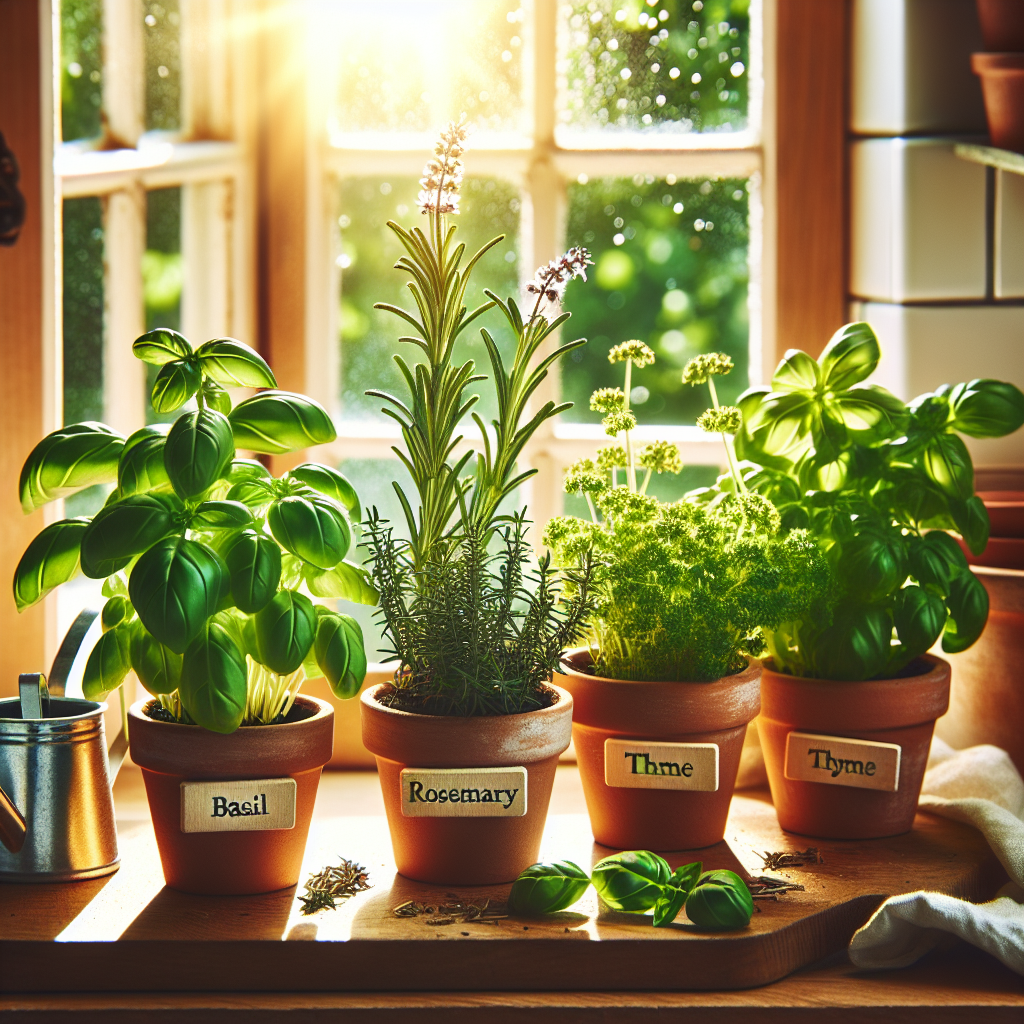
Before you start growing herbs, it’s important to choose the right ones for your kitchen garden. Some popular herbs that are easy to grow indoors include:
Getting Started with Herb Gardening
When starting your kitchen herb garden, consider the following tips:
- Choose a sunny spot in your kitchen or near a window that receives at least 6-8 hours of sunlight per day.
- Purchase or gather small pots or containers with drainage holes to plant your herbs in.
- Use a well-draining potting mix and plant your herbs according to the instructions on the seed packet or plant tag.
- Water your herbs regularly, allowing the soil to dry out slightly between waterings.
- Fertilize your herbs every 4-6 weeks with a balanced liquid fertilizer to promote healthy growth.
Harvesting and Using Your Herbs
Once your herbs have grown and flourished, you can start harvesting them for culinary use. Here are some tips for harvesting and using your kitchen herbs:
- Harvest herbs in the morning when their essential oils are at their peak.
- Cut or pinch off the leaves or stems you need, leaving the rest of the plant to continue growing.
- Use fresh herbs in salads, soups, sauces, and other dishes to add flavor and freshness.
- Dry or freeze excess herbs for later use by hanging them to dry or placing them in the freezer in ice cube trays with water.
With these tips and guidelines, you can easily grow a variety of kitchen herbs at home and enjoy the benefits of fresh, flavorful herbs in your cooking. Happy gardening!

Frequently Asked Questions
What are the best herbs to grow indoors?
Some of the best herbs to grow indoors include basil, parsley, mint, thyme, and chives. These herbs are relatively easy to grow and do well in indoor environments.
How much sunlight do kitchen herbs need?
Most kitchen herbs require at least 6-8 hours of direct sunlight per day. Place your indoor herb garden near a south-facing window to ensure they get enough light.
What is the best way to water kitchen herbs?
It’s best to water kitchen herbs when the top inch of soil feels dry to the touch. Make sure to water thoroughly, allowing water to drain out from the bottom of the pot to prevent root rot.
Can I use regular potting soil for growing kitchen herbs?
Yes, you can use regular potting soil for growing kitchen herbs. Just make sure it is well-draining and mix in some perlite or sand for better drainage.
How often should I fertilize my kitchen herbs?
It’s recommended to fertilize kitchen herbs every 4-6 weeks with a balanced liquid fertilizer. Make sure to follow the instructions on the fertilizer label for proper application.

Benefits of Growing Your Own Kitchen Herbs
Not only are kitchen herbs a wonderful addition to your cooking repertoire, but they also offer a host of health benefits. By growing your own herbs, you can ensure that they are fresh, organic, and free from harmful pesticides.
Choosing the Right Herbs
When selecting herbs to grow in your kitchen, consider your cooking preferences and the herbs you use most frequently. Popular choices include basil, mint, parsley, and thyme.
Creating an Herb Garden
You don’t need a large backyard to grow herbs – a sunny windowsill or balcony will do just fine. Choose containers that provide adequate drainage and select a high-quality potting mix for optimal growth.
For more information about specific herb varieties and growing tips, visit Wikipedia’s Herb Garden page.
The Beginner’s Guide to Growing Kitchen Herbs at Home
- Choose herbs that are easy to grow indoors, such as basil, cilantro, and mint.
- Make sure your herbs receive enough sunlight, usually at least 6 hours a day.
- Water your herbs regularly, but be careful not to overwater them.
- Use well-draining soil and consider adding fertilizer to help your herbs grow.
- Harvest your herbs frequently to encourage new growth and prevent them from becoming leggy.
Category – Pepper, Salt and Herbs







