Contents
Trending Steak Carving Techniques You Need to Try
Steak carving is not just an art; it’s a skill that can elevate your dining experience. As culinary trends evolve, so do the techniques for carving and serving this beloved dish. From classic methods to modern innovations, there are numerous approaches that can enhance flavor and presentation. In this guide, we will explore the trending steak carving techniques you need to try, ensuring that each slice is a masterpiece on your plate.

Understanding Steak Cuts
Before diving into carving techniques, it’s vital to understand the various cuts of steak available. Each cut has unique textures and flavors, influencing how you should carve them.
Popular Cuts of Steak
- Ribeye
- Filet Mignon
- Sirloin
- T-Bone
- Flank Steak
Essential Tools for Steak Carving
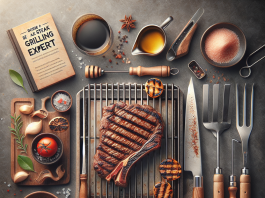
To achieve the perfect slice, having the right tools is crucial. The following items are essential for steak carving:
Carving Knife
A sharp, long carving knife allows for clean, even slices. Consider one with a comfortable grip for ease of use.
Cutting Board
Using a sturdy cutting board helps stabilize the steak while carving, preventing slips and creating uniform cuts.
Trending Steak Carving Techniques
1. The Against the Grain Technique
This technique involves slicing the steak against the grain, which reduces chewiness and enhances tenderness. To apply this technique:
- Identify the direction of the grain.
- Position your knife perpendicular to the grain.
- Make smooth, even strokes for uniform slices.
2. Diagonal Slicing
Diagonal slicing creates larger surface area for each slice, allowing for enhanced flavor absorption. This method is especially popular for flank steak. Here’s how to do it:
- Angle your knife at about 45 degrees to the steak.
- Make long, smooth cuts to create wider, visually appealing slices.
3. The Fan Technique
This presentation technique is visually stunning and perfect for serving at gatherings. It involves:
- Carving each slice and slightly overlapping each piece on the plate.
- Arranging the slices in a circular pattern for an appealing display.
Tips for Perfect Carving
To enhance your carving skills, consider the following tips:
Resting the Steak
Allowing the steak to rest for 5-10 minutes after cooking helps the juices redistribute. This makes for a more flavorful and tender cut.
Angle and Pressure
Maintain a consistent angle while slicing, applying even pressure to prevent tearing the meat.
Practice Makes Perfect
Like any other culinary skill, practice is essential. Try carving different cuts of steak to improve your technique.
Learn More About Steak Carving Techniques
For additional insights and in-depth techniques, visit Serious Eats, a comprehensive guide to mastering steak preparation and carving.
Essential Steak Carving Techniques
Mastering the art of steak carving can enhance your dining experience. Utilizing the right techniques makes a significant difference in presentation and taste, ensuring every bite is enjoyable.
The Right Tools for Carving
Before you begin, it’s essential to have the proper tools. A sharp carving knife and a sturdy carving fork are vital for achieving clean slices. The knife should be long enough to handle larger cuts while providing precision.
Knowing Your Cuts
Understanding different cuts of steak will aid in the carving process. Each cut has a unique grain direction that should be considered to ensure optimal tenderness. Typically, steaks are carved against the grain for better chewability.
Carving Techniques
When ready to carve, allow the steak to rest for a few minutes after cooking. This helps redistribute the juices. Start at one end of the steak, and use smooth, even strokes to make thin slices. Always maintain a slight angle for the best results.
Presentation
Presentation matters, especially for special occasions. Arrange the carved slices neatly on a warmed plate, and garnish with herbs or sauces to accentuate the dish.
For more detailed information about the science behind various cuts of meat, check out the Beef Wikipedia page.

FAQs about Trending Steak Carving Techniques You Need to Try
1. What are some popular steak carving techniques?
Some popular steak carving techniques include the classic slicing method, the against-the-grain slicing, and the more advanced techniques like the ribbon cut and the butterfly cut.
2. Why is slicing against the grain important?
Slicing against the grain helps to break down the muscle fibers, resulting in more tender slices that are easier to chew. This technique enhances the overall eating experience.
3. What tools do I need for steak carving?
Essential tools for steak carving include a sharp carving knife, a carving fork, and a cutting board. Some may also recommend a honing steel to keep your knife sharp.
4. How do I know where the grain of the steak is?
The grain of the steak refers to the direction of the muscle fibers. You can identify the grain by looking closely at the meat; it usually looks like lines running in a certain direction. You should slice perpendicular to these lines.
5. Can I use these techniques on different cuts of beef?
Yes, these carving techniques can be applied to various cuts of beef, including ribeye, sirloin, and flank steak. Each cut may require slight adjustments based on its texture and grain direction.
6. How should I store leftover steak?
Leftover steak should be cooled to room temperature before being stored in an airtight container. It can be refrigerated for 3-4 days or frozen for up to 6 months.
7. Are there any special techniques for carving a large roast?
When carving a large roast, it’s best to let it rest for at least 15-20 minutes before slicing. This allows the juices to redistribute, keeping the meat moist. Use a long, sharp knife for clean, even cuts.

Trending Steak Carving Techniques
- Against the Grain: Ensure maximum tenderness by cutting against the muscle fibers.
- Proper Knife Selection: Use a sharp, long-bladed knife for clean and precise cuts.
- Angle of Cut: The angle can affect presentation; try 45-degree cuts for a professional look.
- Resting Period: Let steak rest before carving to retain juices and enhance flavor.
- Presentation Techniques: Fan out slices or stack them for visual appeal.
- Use of Tools: Consider utilizing steak clamps or carving forks for better control.
- Innovative Garnishes: Experiment with fresh herbs or sauces for added taste and style.