Contents
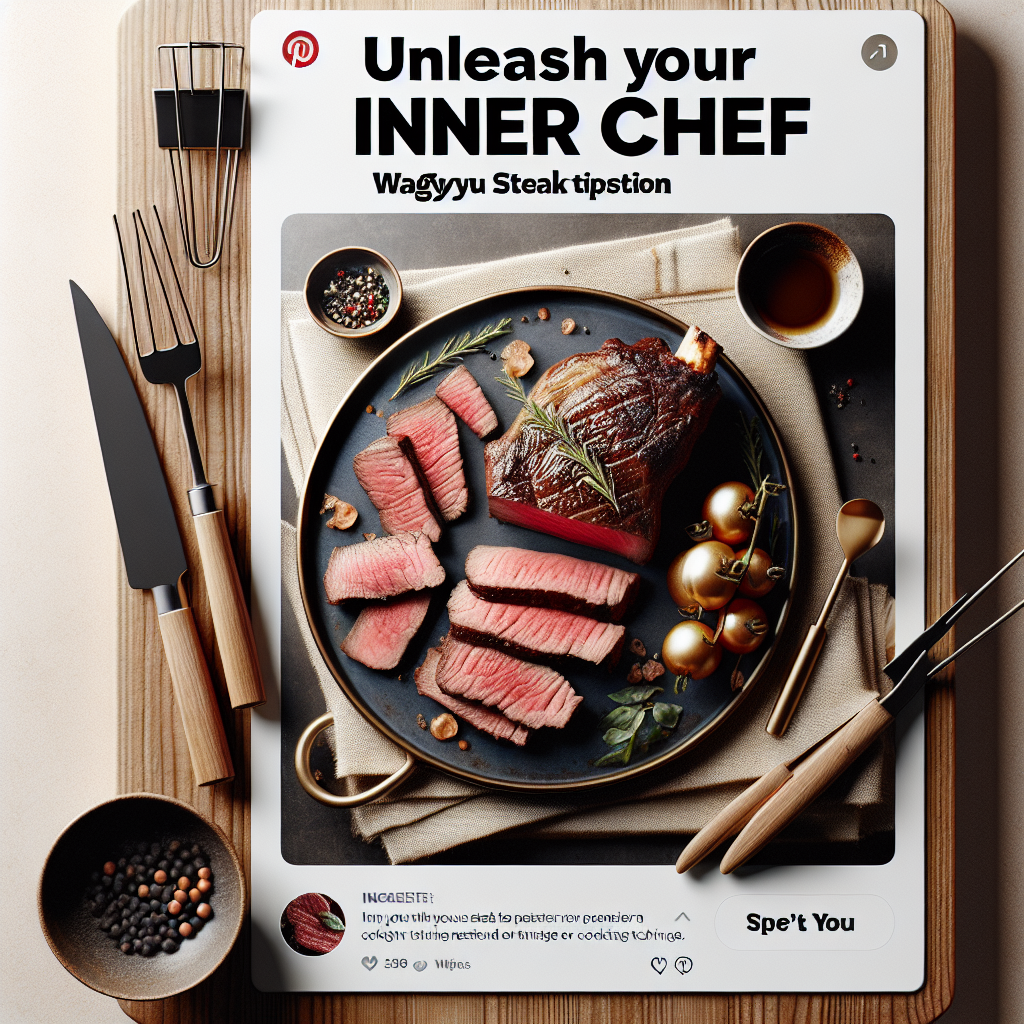
Unleash Your Inner Chef: Wagyu Steak Tips Edition
Are you ready to elevate your cooking skills and indulge in some of the finest beef available?
Welcome to our guide dedicated to Wagyu steak, a culinary delight that will impress your guests
and satisfy your taste buds. Known for its unprecedented marbling and rich flavor, Wagyu steak
is truly a cut above the rest. In this edition, we’ll share expert tips and techniques to help
you master this luxurious ingredient in your own kitchen. Get ready to unleash your inner chef!

Understanding Wagyu Beef
Wagyu is a breed of cattle renowned for its rich marbling and high-quality meat. Originating from Japan, this premium beef has captivated food enthusiasts and chefs alike. The unique genetic traits of Wagyu cattle lead to a creamy texture and an unparalleled flavor profile.
The Different Types of Wagyu
There are several distinct types of Wagyu beef, each with its own grading system. The most notable are:
- Kobe Beef: A subset of Wagyu, known for its strict production methods and exceptional flavor.
- A4 and A5 Grading: A5 is the top grade, signifying extraordinary tenderness and flavor.
Choosing Your Wagyu Steak
When selecting Wagyu steak, consider the cut and quality. Some popular cuts include ribeye, sirloin, and filet mignon. Each cut offers a different texture and flavor, allowing you to choose based on your preference.
Understanding Grades and Labels
Look for reliable sources that provide authentic Wagyu beef, such as Japanese Wagyu Association. Remember, the price often reflects the quality and origin.
Preparation Tips for Perfect Wagyu Steak
Cooking Wagyu is an art that requires careful attention to enhance its natural flavors. Here are some essential tips:
1. Proper Thawing
Always thaw Wagyu steak in the refrigerator rather than at room temperature to maintain its quality and texture.
2. Seasoning
A simple seasoning of salt and pepper is often the best way to enjoy Wagyu’s rich flavor.
3. Cooking Methods
Grilling or pan-searing over medium heat is recommended. Cook it for a shorter time than traditional steaks to maintain its juiciness and melt-in-your-mouth texture.
4. Resting Time
Let your Wagyu steak rest for at least 5 minutes after cooking to allow the juices to redistribute for optimal flavor.
Pairing Suggestions
The rich flavor of Wagyu pairs wonderfully with a range of sides and beverages. Consider:
1. Side Dishes
Roasted vegetables, creamy mashed potatoes, or a fresh salad can complement the intensity of Wagyu.
2. Wine Pairings
A full-bodied red wine, such as Cabernet Sauvignon or Malbec, can enhance your dining experience.
Exploring Beyond the Steak
Wagyu is versatile and can be used in various dishes. Consider using it in:
1. Sushi and Sashimi
Explore the delicate flavor of thinly sliced Wagyu in sushi or sashimi for a luxurious treat.
2. Tacos or Sliders
Incorporate cooked Wagyu into tacos or sliders to impress your guests with gourmet appetizers.
What Makes Wagyu Steak Unique?
Wagyu steak is renowned for its rich flavor and tenderness. This unique beef comes from specific breeds of cattle, primarily from Japan. The term “Wagyu” translates to “Japanese cattle,” highlighting its origins.
The Process of Raising Wagyu Cattle
Raising Wagyu cattle involves meticulous care and diet, which often includes high-quality grains, foraging, and sometimes even beer. This special diet contributes to the intense marbling and flavor that Wagyu beef is celebrated for.
Cooking Tips for Perfect Wagyu Steak
When cooking Wagyu steak, it’s important to use a method that preserves its delicate fat. Searing at a high heat for a short duration is often recommended. A cast-iron skillet or grill can work wonders, but monitoring the temperature is crucial to avoid overcooking.
Where to Learn More About Wagyu
For a deeper understanding of Wagyu cattle and their unique attributes, check out the Wagyu page on Wikipedia.

FAQs About Unleash Your Inner Chef: Wagyu Steak Tips Edition
What is Wagyu steak?
Wagyu steak comes from a specific breed of cattle that is known for its exceptional marbling, tenderness, and rich flavor. The term “Wagyu” translates to “Japanese beef,” and it encompasses various types of this premium meat from Japan and other regions.
How do I choose the best Wagyu steak?
When selecting Wagyu steak, look for cuts with heavy marbling, which indicates higher fat content and flavor. Pay attention to the grade of the beef, with A5 being the highest quality. Always source from reputable suppliers for the best experience.
How should I cook Wagyu steak?
Wagyu steak is best cooked at a lower temperature than standard steaks. Sear it at medium-high heat for a few minutes on each side. Due to its high-fat content, it cooks faster, so keep an eye on the internal temperature to avoid overcooking.
What are some seasoning tips for Wagyu steak?
Keep it simple! A light sprinkling of sea salt and cracked black pepper allows the natural flavors of the Wagyu to shine through. Some chefs recommend a touch of garlic or herbs for extra depth without overpowering the flavor.
How do I ensure the perfect doneness?
Use a meat thermometer to check for doneness. For medium-rare, aim for an internal temperature of about 130°F (54°C). Remove the steak from heat a few degrees before it reaches the desired temperature, as it will continue to cook while resting.
Can I pair wine with Wagyu steak?
Yes! Full-bodied red wines like Cabernet Sauvignon or a rich Shiraz complement the flavors of Wagyu. The tannins in these wines can enhance the rich, buttery texture of the steak.
How do I store leftover Wagyu steak?
To store leftover Wagyu steak, wrap it tightly in plastic wrap or aluminum foil and place it in the refrigerator. Consume within 3-4 days to enjoy its best flavor and texture. For longer storage, consider freezing it.

-
Choosing the Right Cut
- Select high-quality Wagyu from reputable sources.
- Popular cuts include ribeye, sirloin, and tenderloin.
-
Preparation Tips
- Let the steak come to room temperature before cooking.
- Season simply with salt and pepper to enhance natural flavors.
-
Cooking Techniques
- Use medium-high heat for a perfect sear.
- Consider sous vide for precise cooking temperature.
-
Resting Your Steak
- Allow the steak to rest for at least 5-10 minutes after cooking.
- Resting helps retain juices for a tender bite.
-
Serving Suggestions
- Pair with simple sides like roasted vegetables or a light salad.
- Consider a bold red wine to complement the rich flavors.