Contents
Unlocking the Flavors of a Medium Rare Steak: A Guide for Foodies
As a foodie, there is nothing quite like the taste of a perfectly cooked steak. A medium rare steak, with a pink center and a crispy crust, can unlock a world of flavors that are sure to satisfy even the most discerning palate. The key to unlocking these flavors lies in the preparation and cooking of the steak, and the use of the right seasoning and cooking techniques.
First and foremost, it is important to choose the right cut of meat. While all cuts can be delicious, some are better suited for certain cooking methods. For a medium rare steak, it is best to choose a cut that is tender and well-marbled. Popular cuts include ribeye, strip, tenderloin, and flank steak.
Once you have selected your cut of meat, it’s time to season it properly. A simple mixture of salt, pepper, and garlic can go a long way in enhancing the natural flavors of your steak. Be generous with the seasoning, as some will fall off during the cooking process.
When it comes to cooking a medium rare steak, timing is everything. For a 1-inch thick steak, cook it on high heat for 4-5 minutes on each side, or until it reaches an internal temperature of 130°F. Let it rest for 5-10 minutes before slicing and serving.
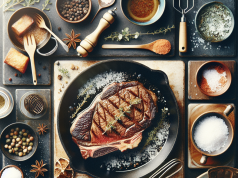
Finally, don’t be afraid to experiment with different cooking techniques to unlock even more flavors. Searing the steak on a cast iron skillet, grilling it over charcoal, or even cooking it sous vide can each yield a unique and delicious result.
In conclusion, unlocking the flavors of a medium rare steak requires careful preparation, proper seasoning, and precise cooking. With the right techniques and a little bit of experimentation, foodies can enjoy a truly unforgettable culinary experience.
Premium Angus Beef T-Bone – SHOP NOW
What Makes Medium Rare Steak So Special?
A medium rare steak is cooked to an internal temperature of 130-135°F, which is just enough to melt the fat and infuse the juices into the meat while still maintaining its texture and juiciness. This makes it one of the most popular ways to cook a steak among foodies, as it allows them to truly savor the flavor of the beef.
The Best Cuts for Medium Rare Steak
While any cut of steak can be cooked to medium rare, some cuts are better suited to this style of cooking than others. Here are a few of the best cuts for medium rare steak:
- Ribeye
- Tenderloin
- Strip steak
- Filet mignon
- Sirloin
Preparing Your Steak for Cooking
Before you start cooking your steak, there are a few key steps you should take to make sure it turns out perfectly:
- Take the steak out of the fridge at least 30 minutes before cooking to bring it to room temperature.
- Season the steak generously with salt and pepper on both sides.
- Pat the steak dry with a paper towel to remove any excess moisture.
Cooking Techniques for Medium Rare Steak
There are several ways to cook a steak to medium rare, including:
- Grilling
- Broiling
- Searing and oven-roasting
- Sous vide
No matter which method you choose, make sure to use a meat thermometer to ensure that the internal temperature of the steak reaches 130-135°F.
Unlocking the Flavors of Your Medium Rare Steak
The key to unlocking the full flavor of a medium rare steak is in the seasoning and the finishing touches. Here are some tips:
Seasoning
- Use a blend of high-quality salt and black pepper that complements the natural flavor of the meat.
- If you want to get creative, you can also add other spices and herbs to the mix, such as garlic, rosemary, or thyme.
Finishing Touches
- Let the steak rest for a few minutes before slicing to allow the juices to redistribute.
- Top the steak with a pat of compound butter for an extra burst of flavor.
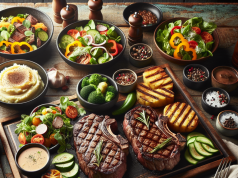
- Serve the steak with a side of roasted vegetables, a rich sauce, or a refreshing salad to balance out the richness of the meat.
Conclusion
Now that you know how to cook a perfect medium rare steak, you can impress your friends and family with your culinary skills. Whether you prefer grilling, broiling, or sous vide, the key is in using high-quality ingredients, a meat thermometer, and plenty of seasoning and finishing touches.
For more tips and tricks on cooking steak, check out our Ultimate Guide to Steak.

Frequently Asked Questions
What is a medium rare steak?
A medium rare steak is one that has been cooked to an internal temperature of 135-140°F (57-60°C). This is achieved by cooking the steak for about 3-4 minutes on each side over high heat.
How do I choose the right cut of meat for a medium rare steak?
If you prefer a medium rare steak, it’s best to choose a cut of meat that is tender and has a good amount of marbling. Some of the best cuts for a medium rare steak include ribeye, sirloin, and tenderloin.
What is the best way to season a medium rare steak?
Seasoning a steak is a matter of personal preference, but some popular seasonings for a medium rare steak include salt, pepper, garlic powder, and rosemary. Simply season both sides of the steak before cooking.
What is the best way to cook a medium rare steak?
The best way to cook a medium rare steak is to use either a grill or a cast iron skillet. Heat the grill or skillet over high heat and cook the steak for about 3-4 minutes on each side. For a grill, use tongs to flip the steak. For a skillet, use a spatula.
How can I tell if a medium rare steak is done?
To check if a medium rare steak is done, use a meat thermometer to test the internal temperature. The steak should be at 135-140°F (57-60°C) for medium rare. You can also use the finger test: press the center of the steak with your finger. If it feels soft and spongy, it’s medium rare.

The Art of Cooking a Perfect Medium Rare Steak
What Makes a Great Steak?
For steak lovers, there is nothing quite like the taste of a perfectly cooked medium rare steak. To achieve this, there are a few key factors to keep in mind:
- The quality of the meat
- The thickness of the steak
- The cooking method
The meat should be fresh and of high quality, ideally sourced from a local butcher or farms that raise grass-fed and organic cattle. The thickness of the steak is also important, as a thinner steak will cook faster and increase the risk of overcooking, while a thicker steak may require more time to cook.
Cooking Medium Rare Steak Perfectly
The best cooking method for a medium rare steak is using a high-heat grill, cast iron pan or broiler to sear the outside of the steak while maintaining a juicy and tender interior. Before cooking, be sure to allow the steak to come to room temperature for at least an hour, which helps ensure the steak cooks evenly.
For a 1-inch steak, preheat the grill or pan to high heat for at least 10 minutes. Brush the steak with olive oil and season with salt and pepper on both sides. Place the steak on the grill or in the pan, and cook for 5-6 minutes on each side or until it reaches an internal temperature of 135°F.
If you want to learn more about different types of meat and cooking methods, check out the Wikipedia page on beef.

Premium Angus Beef T-Bone – SHOP NOW
Unlocking the Flavors of a Medium Rare Steak: A Guide for Foodies
Introduction
- Understanding the basics of steak cooking
- The importance of temperature
Choosing the Right Cut
- Popular steak cuts explained
- Tips for selecting the perfect cut
Preparation and Seasoning
- Seasoning options for enhancing flavor
- Preparation methods for optimal cooking
Cooking Techniques
- Grilling, pan-frying, and broiling options
- Step-by-step instructions for each technique
Serving Suggestions
- Side dishes that pair well with steak
- Beverage recommendations for the perfect pairing
Conclusion
- Tips for achieving the perfect medium rare steak every time
- Enhancing your steak experience with flavor-boosting techniques
Category – STEAKS, BURGER & MEATS