Contents
What Happens When You Cook a Steak Medium Rare?
Cooking a steak to medium rare is a popular choice among meat enthusiasts. It results in a juicy and tender steak with a slightly pink center. The process involves a complex series of chemical reactions and transformations that give the steak its desired texture and flavor. Let’s dive into the science behind it.
When a raw steak is heated, several changes occur. The first is the denaturation of proteins. Heat causes the proteins in the steak to unfold, altering their shape and structure. This denaturation begins at around 120°F (49°C) and continues as the temperature increases.
As the steak reaches medium-rare doneness, which is approximately 135°F to 145°F (57°C to 63°C), the collagen, a tough connective tissue, begins to break down. This is due to the heat-induced enzymatic reactions known as collagenolysis. The breakdown of collagen results in a more tender and enjoyable eating experience.
In addition to collagen breakdown, the fat in the steak starts to melt, enhancing its flavor and juiciness. The marbling, or intramuscular fat, gradually renders, infusing the meat with richness and providing a moist mouthfeel.
The Maillard reaction, a crucial chemical reaction that occurs when proteins and sugars are heated together, takes place during the cooking process. This reaction creates the desirable brown crust on the steak’s surface, adding depth of flavor and an appetizing appearance.
When a steak is cooked medium rare, it is important to note that there may still be a slight gradient in doneness within the meat. The center will remain pink and tender while gradually increasing in doneness towards the outer browned areas.
It is worth mentioning that achieving the perfect medium-rare steak requires precision in cooking time and an accurate temperature measurement. Undercooking or overcooking may result in a steak that is either too rare or too well-done, altering the desired texture and taste.
In conclusion, cooking a steak medium rare involves various chemical reactions and transformations. The denaturation of proteins, collagen breakdown, fat rendering, and the Maillard reaction all contribute to the juiciness, tenderness, and flavor of a perfectly cooked medium-rare steak.
🔥Premium Angus Beef T-Bone – SHOP NOW🔥
What Happens When You Cook a Steak Medium Rare?
Introduction to Medium Rare Steak
Medium rare is a popular level of doneness when it comes to cooking steak. It refers to a state where the steak is cooked enough to kill any harmful bacteria, yet still retains a reddish-pink center. This type of doneness preserves the tenderness and juiciness of the meat, making it a favorite among steak enthusiasts. In this blog post, we will explore the process and effects of cooking a steak medium rare.
Maillard Reaction: The Browning Process
When a steak is exposed to high heat, a chemical reaction called the Maillard reaction occurs. This reaction involves the amino acids and sugars present in the meat, turning them into various flavorful compounds. The Maillard reaction is responsible for the rich brown color and the tantalizing aroma of a perfectly cooked steak.
Preserving Juiciness and Tenderness
Cooking a steak to medium rare allows it to retain its natural juiciness and tenderness. Overcooking can cause the proteins in the meat to contract excessively, resulting in a dry and tough texture. By cooking the steak to medium rare, the proteins coagulate enough to provide structure, while still allowing the meat to remain moist and tender.
Internal Temperature and Doneness
The internal temperature of a medium rare steak typically ranges from 130°F (54°C) to 135°F (57°C). It is important to use a meat thermometer to ensure precise cooking, as everyone’s stoves and cooking times may vary. It is recommended to remove the steak from the heat when the thermometer registers a few degrees below the desired internal temperature, as the residual heat will continue to cook the steak while it rests.
Recommended Pairings
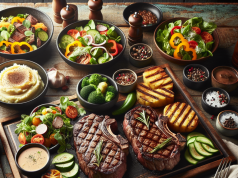
A perfectly cooked medium rare steak pairs well with a variety of flavors. Consider serving it with a side of roasted vegetables, a fresh garden salad, or even a classic baked potato. For enthusiasts who enjoy a good glass of red wine, a medium-bodied Cabernet Sauvignon or a Merlot complements the flavors of a medium rare steak splendidly.
Conclusion
Cooking a steak to medium rare ensures that you retain the tenderness, juiciness, and flavor of the meat. The Maillard reaction gives the steak its deliciously browned exterior, while the proper internal temperature guarantees a safe and enjoyable eating experience. So next time you prepare a steak, consider cooking it medium rare for a truly delightful dining experience.
For more information on cooking techniques and recipes, check out our Cooking Tips and Guides section.

Frequently Asked Questions
What Happens When You Cook a Steak Medium Rare?
When you cook a steak to a medium rare level, it is cooked to an internal temperature between 130°F (54°C) and 135°F (57°C). This cooking method allows the center of the steak to retain a warm, pinkish-red color and a moist texture.
Why is Medium Rare a Popular Choice?
Medium rare is a popular choice among steak enthusiasts for several reasons:
- It brings out the natural flavors and tenderness of the meat while still ensuring it is safe to eat.
- The steak remains juicy and succulent, as the shorter cooking time prevents excessive drying of the meat.
- The center of the steak remains tender and retains a slightly rare texture, providing a delightful eating experience.
How Long Should I Cook a Steak to Achieve Medium Rare?
The cooking time for a medium rare steak depends on various factors such as the thickness of the steak and the cooking method. However, as a general guideline, you can aim for a cooking time of about 3-4 minutes per side on a hot grill or skillet. It’s essential to use a meat thermometer to ensure the internal temperature reaches the desired range.

Perfect Medium Rare Steak Time
What is Medium Rare?
Medium rare is a term used to describe the level of doneness in steak where the center remains pink and juicy while the outer portions are seared and browned. It is considered one of the most popular cooking levels among steak enthusiasts.
How Long to Cook a Medium Rare Steak?
The ideal cooking time for a medium rare steak depends on the thickness and the type of steak being cooked. As a general guideline:
- For a 1-inch thick steak, cook for about 4-5 minutes on each side for a medium rare result.
- For thicker cuts like a 1.5-inch steak, increase the cooking time to around 6-7 minutes per side.
- For thinner steaks, reduce the cooking time slightly, while for thicker cuts, add a couple of minutes per side.
Temperature Guide
A reliable method to determine the doneness of your medium rare steak is by using a meat thermometer:
- Rare: 120-125°F (49-52°C)
- Medium Rare: 130-135°F (54-57°C)
- Medium: 140-145°F (60-63°C)
Why Cook Medium Rare?
Cooking steak to a medium rare level allows the flavors and the tenderness of the meat to be preserved, while also achieving a beautiful balance of caramelization on the outside.
If you want to learn more about the different levels of steak doneness and cooking techniques, you can visit the Wikipedia page on Steak.

Premium Angus Beef T-Bone – SHOP NOW
Changes in the Steak
- The exterior of the steak develops a flavorful brown crust called the Maillard reaction.
- The fat in the steak begins to render, adding richness and moisture to the meat.
- The steak’s muscle fibers continue to firm up, but the center remains juicy and pink.
Texture and Juiciness
- A medium rare steak is tender and easy to chew.
- It retains more moisture compared to a well-done steak, making it juicier.
Flavor and Color
- Medium rare steak has a robust beefy flavor due to the Maillard reaction.
- The steak maintains a reddish-pink color in the center, reflecting its optimal doneness.
Category – STEAKS, BURGER & MEATS