Contents
Welcome to Mastering Steak Carving!
Essential Techniques
Carving a steak properly is an essential skill for any chef or home cook. Whether you’re grilling a ribeye, New York strip, or filet mignon, knowing how to carve your steak can make all the difference in presentation and flavor.
In this guide, we will cover the essential techniques for mastering steak carving, including the right tools to use, how to properly slice against the grain, and tips for achieving the perfect cut every time.
So, whether you’re cooking up a special meal for a loved one or hosting a backyard BBQ with friends, mastering these steak carving techniques will take your culinary skills to the next level.

The Importance of Proper Steak Carving
Carving a steak properly is essential not only for presentation but also for ensuring that each bite is as delicious as possible. Here are some essential techniques to help you master the art of steak carving.
Choosing the Right Knife
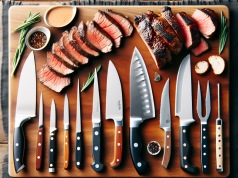
Before you even start carving your steak, make sure you have the right knife. A sharp, serrated knife is ideal for cutting through the meat without tearing it apart. Make sure your knife is also long enough to slice through the entire steak in one smooth motion.
Letting the Steak Rest
After cooking your steak, let it rest for a few minutes before carving. This allows the juices to redistribute evenly throughout the meat, making it more tender and flavorful. Cutting into a steak too soon can cause the juices to run out, leaving you with a dry piece of meat.
Slicing Against the Grain
When carving your steak, always remember to slice against the grain. This means cutting perpendicular to the fibers of the meat, which shortens the muscle fibers and makes the meat more tender. Slicing with the grain can result in a tougher texture.
Handling Bone-In Steaks
If you’re dealing with a bone-in steak, such as a T-bone or ribeye, start by removing the bone before slicing the meat. Use a sharp knife to carefully cut along the bone to separate it from the meat. Once the bone is removed, you can then carve the steak into slices as desired.
Proper Presentation
When serving your carved steak, arrange the slices neatly on a platter or individual plates. Garnish with fresh herbs or a sprinkle of sea salt for an added touch of elegance. Remember, presentation is just as important as flavor when it comes to enjoying a perfectly cooked steak.
Mastering the art of steak carving takes practice, but by following these essential techniques, you’ll be well on your way to serving up restaurant-quality steaks at home.
For more tips on steak carving and other cooking techniques, check out Food Network’s guide to carving beef and lamb.
Best Techniques for Carving Steak
There are several important factors to keep in mind when carving steak to ensure that you get the most out of your cut of meat. Whether you are slicing up a tender filet mignon or a juicy ribeye, the following techniques will help you carve with precision and expertise.
Choose the Right Knife
One of the most important aspects of steak carving is having the right knife for the job. A sharp, high-quality carving knife is essential for achieving clean, even cuts. Make sure to use a knife with a long, thin blade that is specifically designed for slicing meat.
Let the Steak Rest
Before carving into your steak, it is crucial to let it rest for a few minutes after cooking. This allows the juices to redistribute throughout the meat, ensuring a juicy and flavorful final product. Resting the steak also makes it easier to carve, as the meat will be more tender and easier to cut.
Carve Against the Grain
When carving your steak, it is important to cut against the grain of the meat. This helps to break up the muscle fibers and makes for a more tender and enjoyable eating experience. Take note of the grain direction before slicing, and cut perpendicular to it for the best results.
For more information on steak carving techniques, you can visit Wikipedia’s page on steak.

Frequently Asked Questions
What are the essential tools needed for steak carving?
Some essential tools for steak carving include a sharp carving knife, a carving fork, a cutting board, and a chef’s knife for trimming excess fat.
What is the best way to carve a steak?
The best way to carve a steak is to let it rest for a few minutes after cooking to allow the juices to redistribute. Then, slice against the grain to ensure tenderness.
How can I ensure even slices when carving steak?
To ensure even slices when carving steak, use a long, sharp carving knife and slice with a smooth, consistent motion. Practice makes perfect!

Key Takeaways from Mastering Steak Carving
-
Choosing the Right Knife
– Use a sharp, high-quality carving knife for clean cuts.
-
Resting the Steak
– Allow the cooked steak to rest before carving to retain juices.
-
Slicing Against the Grain
– Cut the steak against the grain for tender slices.
-
Proper Technique
– Use a steady hand and make even cuts for professional looking slices.
-
Practice Makes Perfect
– Keep honing your carving skills to become a master at steak carving.